CommentaryDowntown
Dallas Doesn't Need a 2036 Plan. It Needs to Build Now.
Downtown Vision 2036 would double downtown's population, but Dallas hasn't adopted or funded the plan. Build housing and daily life now.
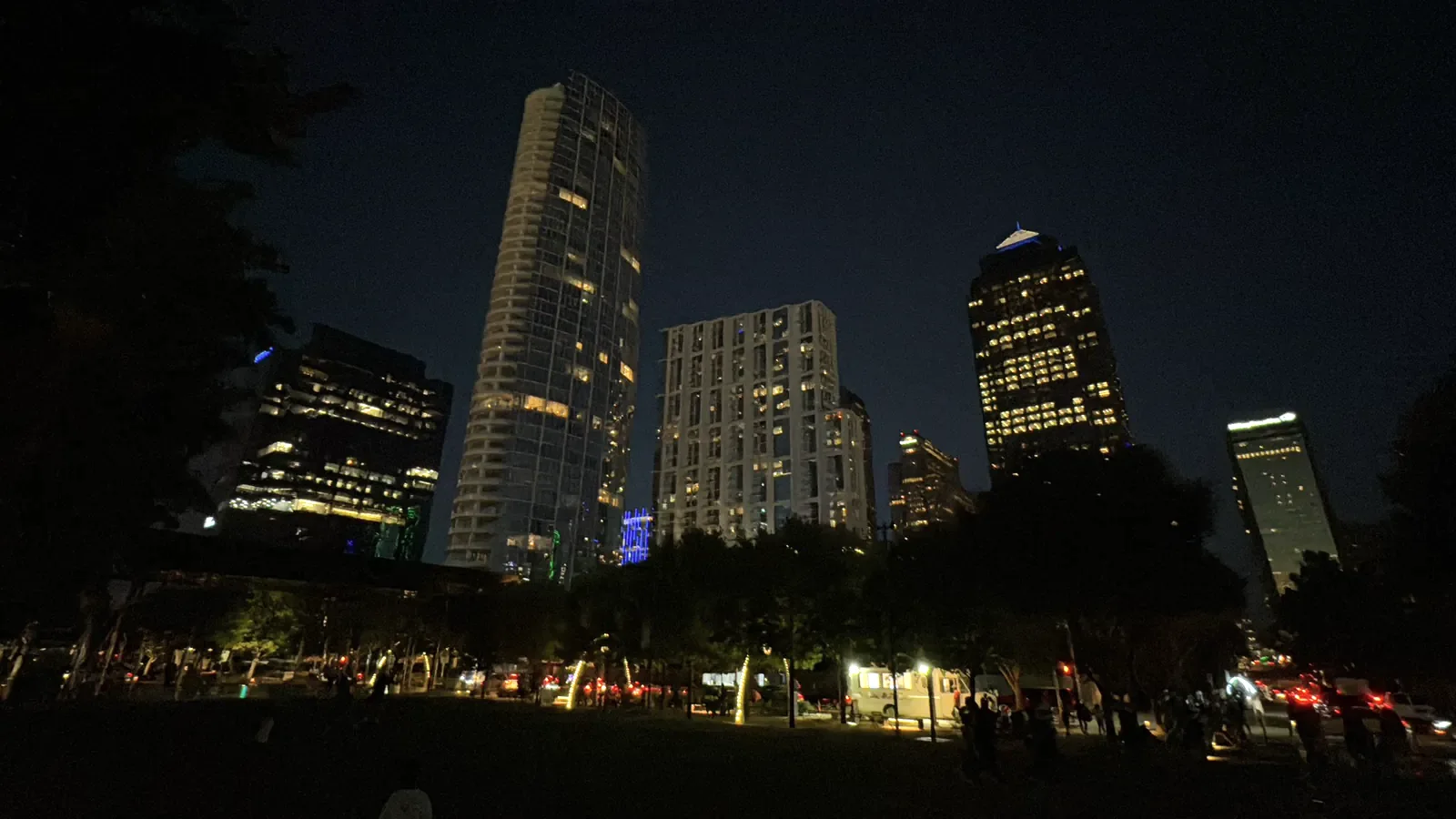
Earlier this year, AT&T announced it’s leaving downtown Dallas for a new campus in Plano, taking about 6,000 jobs with it. It’s a familiar pattern. Companies pull out of downtown, and before long they want the same things downtown already had, built out in the suburbs: restaurants, walkable streets, places to live and hang out near the office. In other words, a downtown. When the news broke I wrote: “Companies leave the dense downtown of the city for a suburb and then require dense downtown-like amenities to be built in the suburbs. Fun.” That irony is the whole story. People want what downtown offers. Dallas just hasn’t finished building it.
Downtown Dallas Inc’s answer is Downtown Vision 2036. The headline goal: double downtown’s population, from about 16,000 residents to more than 32,000 in ten years. It’s a good goal, and I’m glad someone said it out loud. Downtown grew 68% over the past decade while the rest of the city stayed flat. The demand is real.
But I’m skeptical of 10- and 30-year visions. City Council hasn’t adopted this plan. It sets no number for new housing units. And outside of about $15 million already approved for Harwood Street, almost none of it is funded. A date on a cover page isn’t a plan. If Dallas wants 32,000 people downtown, it should start building and talking that way now, not in 2036.
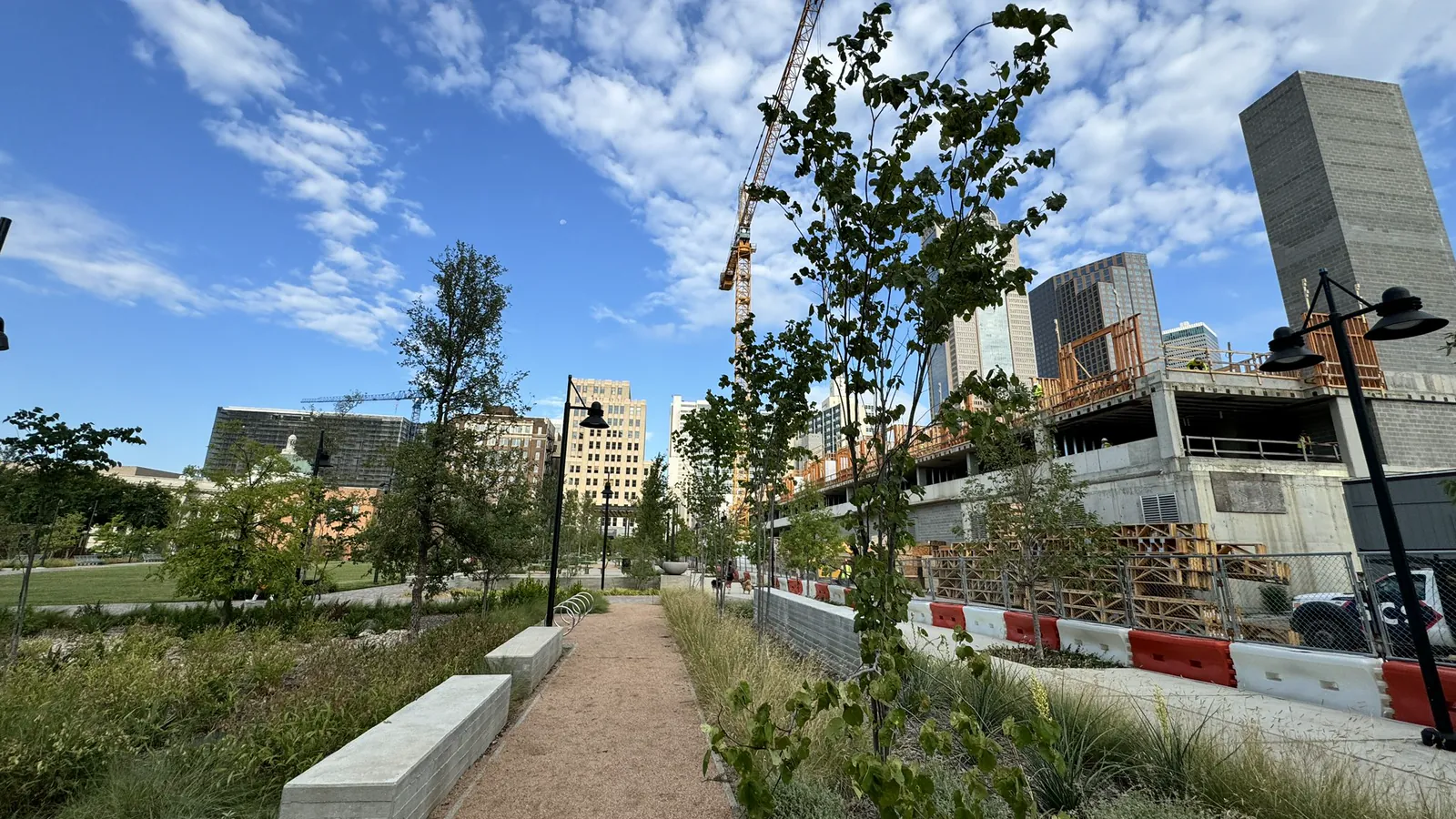
The plan leads with converting three office towers into apartments. That’s the weakest option on the table. Office buildings make bad apartments: deep floor plates, windowless units, plumbing in the wrong places. Most towers can’t be converted without enormous cost and public subsidy. Even the Comerica Tower plan, with 240 apartments, still needs city financing, and it adds a new 400-plus-space parking garage one block from the DART transit mall. Leave the towers alone and there’s still plenty of room downtown. Look at all the surface parking lots. Even DDI’s own CEO admits those lots aren’t pulling their weight. Push ground-up construction there and you get better homes, faster.
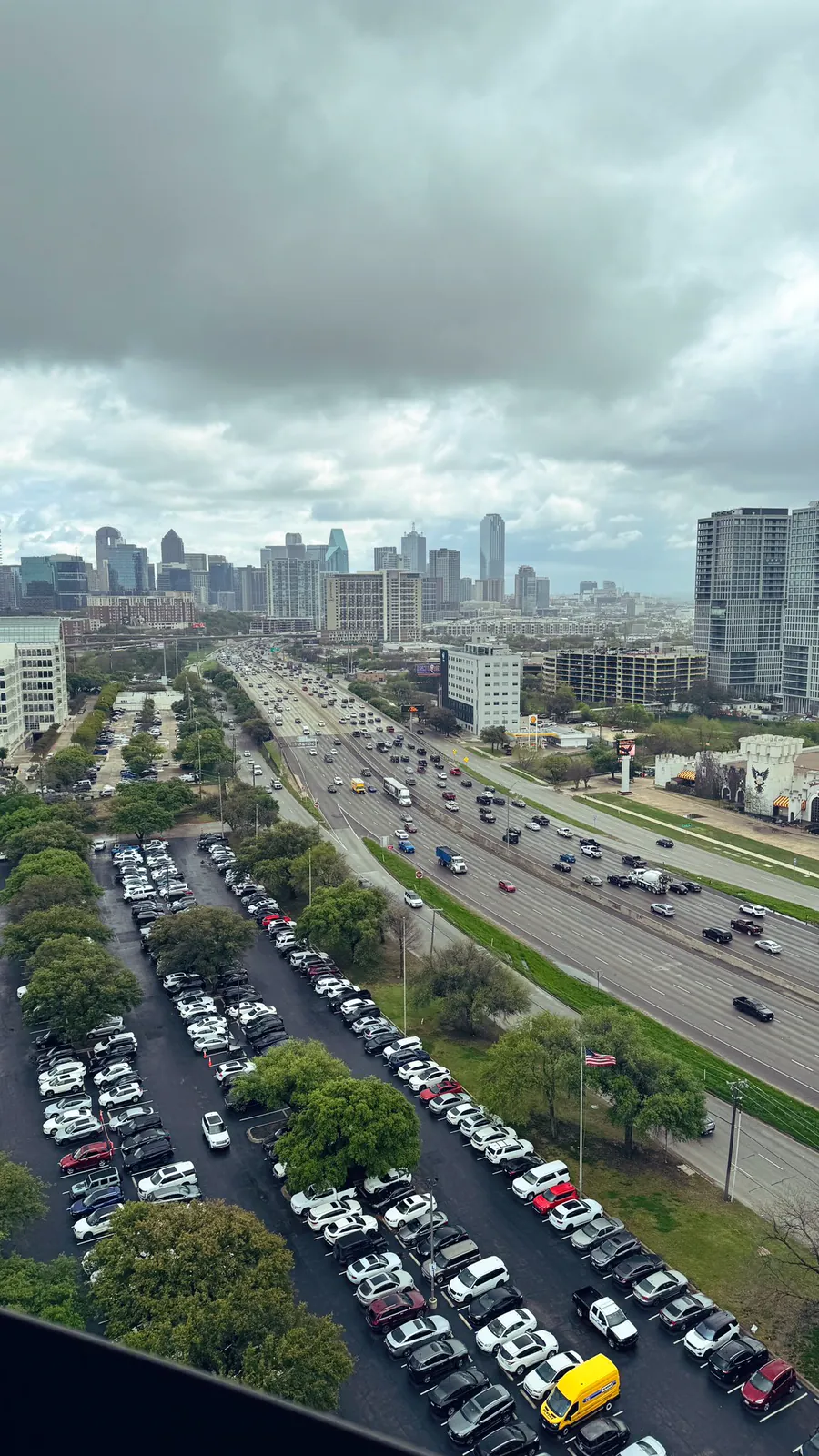
Housing alone won’t bring people downtown, either. Nobody moves somewhere just because there’s an apartment. You need a grocery store you can walk to, shops open after five, parks, and streets that feel safe at night. Neighborhoods are made of daily life, not just bedrooms.
Big talk, cold feet
Here’s the pattern I keep seeing. Council members talk a big game about downtown. It’s the heart of the city, the front door, the economic engine. Then the conversation turns to spending real money, and they fold fast. Suddenly downtown is “dead,” or “dangerous,” and their districts never get the love downtown does.
You hear it most from the far ends of the city. In southern Dallas, there’s a fair point buried in it: those neighborhoods have been underinvested in for decades. In far North Dallas, a lot of people who live there are shocked to learn they aren’t in Plano or some other suburb. They’re in Dallas. Their property taxes, their police, their parks all run through the same City Hall.
That’s exactly why downtown matters to them. Downtown is a sliver of the city’s land, but it carries an outsized share of the tax base. A healthy, full downtown helps pay for streets and services in every district. Starving downtown doesn’t send that money north or south. It just shrinks the pie. Investing in downtown and investing in your district aren’t rivals. One pays for the other.
What can the city council even do?
A lot more than people give it credit for. Dallas doesn’t need a ten-year vision to get started. It needs votes the council can take this year.
It can change what’s allowed to be built. Zoning and the development code are the council’s. Downtown should have the fewest restrictions in the city: build tall, build dense, mix homes, shops, and offices without a special hearing for every project.
It has already shown it can move on parking. Rolling back parking minimums citywide was a huge win. Now it should stop paying for garages where the trains already are. New parking next to every DART line makes housing more expensive and streets less walkable.
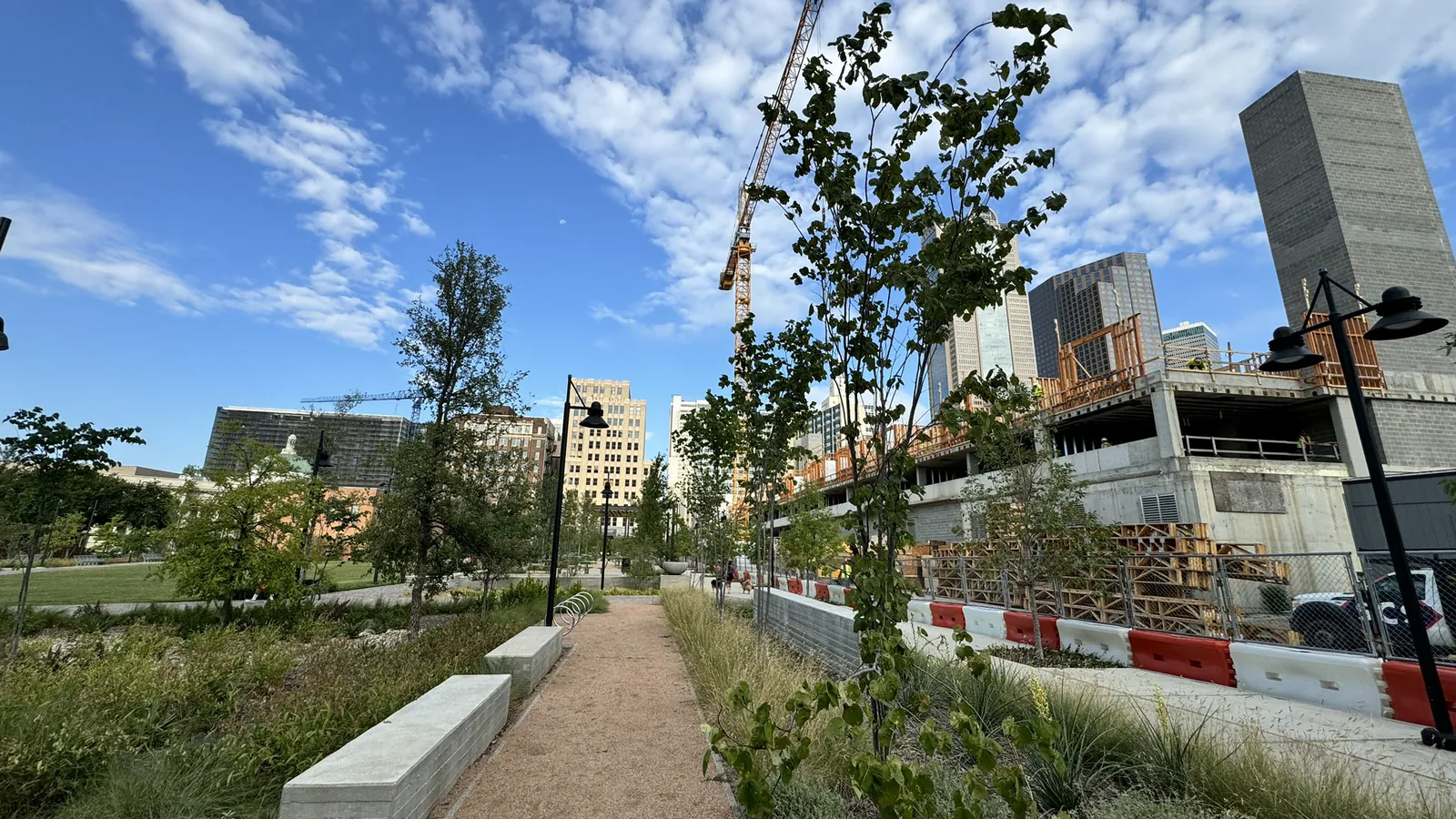
It can make permitting faster and more predictable, which DDI’s own plan asks for. Time is money for anyone building housing.
It can steer the money it already controls: tax increment financing districts, bond packages, and the budget for parks, sidewalks, lighting, and police downtown.
And it can design streets for people. How someone gets from their front door to a train, a grocery store, or a park is a city decision.
A downtown of a major city should be a special place. That means fewer limits on what you can build, but higher expectations for how it’s built: denser than the rest of the city, with real care for what’s around it and how people move through it. That’s not a 2036 job. The council can start on it at its next meeting.
And if Dallas wants a downtown that lasts, it has to plan for families. Downtown housing today is mostly studios and one-bedrooms. Build three- and four-bedroom units at prices families can afford. Add schools, playgrounds, and places for kids. Families put down roots. They fill parks on Saturdays and shops on weeknights. That’s the real boom.
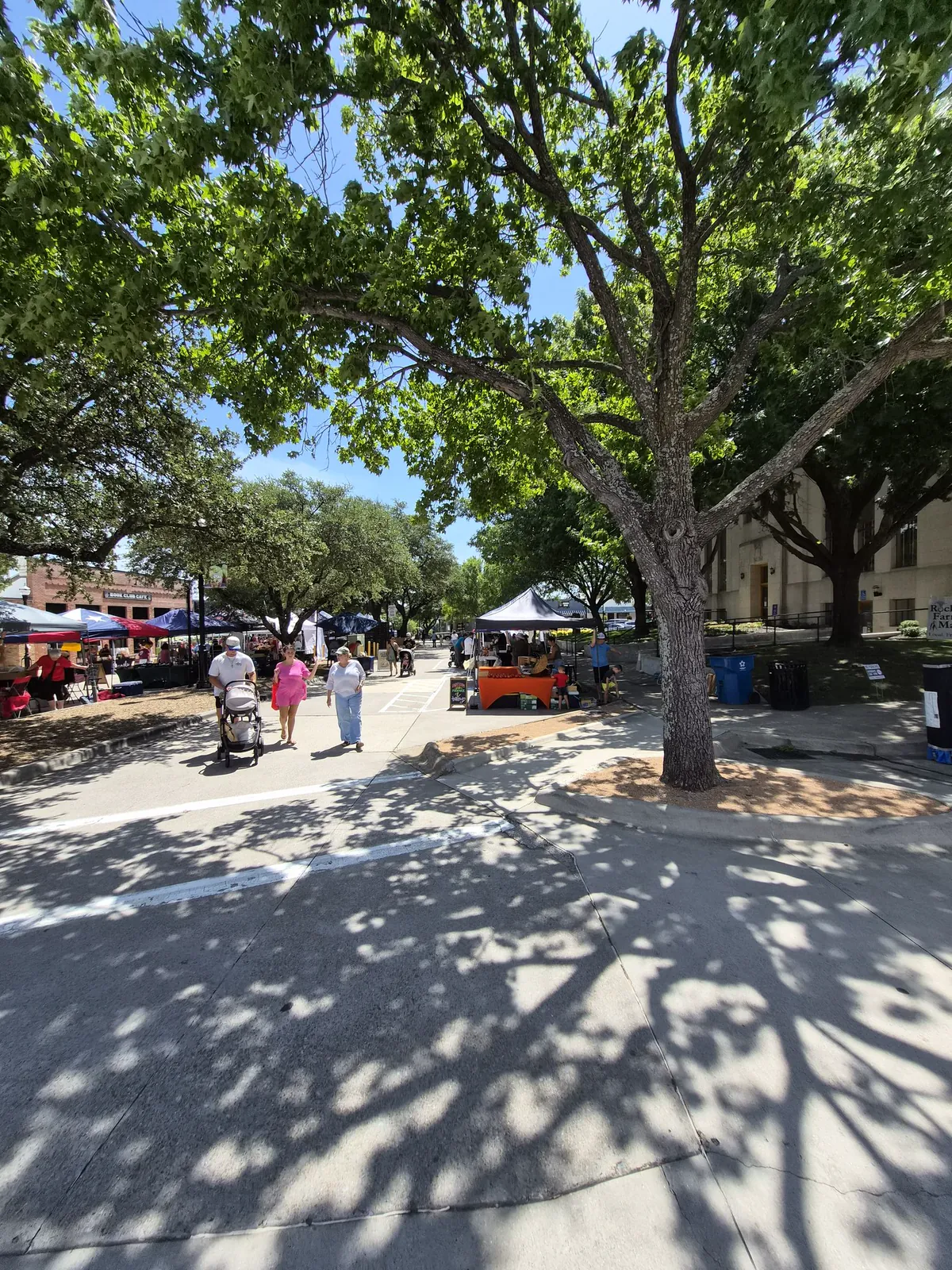
The good news: downtown already has the hardest piece. Every DART light-rail line runs through it. The trains are already there. Transit isn’t failing, land use is. In October I wrote that if the city can make good on its goal to bring more residents downtown, “it would become great again.” I still believe that. Just don’t make us wait until 2036.