Commentary
Arena districts can be 15-minute cities. The subsidy is not the problem. The site is.
I don't mind TIFs or loans for arenas when the district around them works. Victory Park shows how. Plano's Prop A loss and the Stars/Mavs mall sites are a transit and land-use test, not an anti-subsidy crusade.
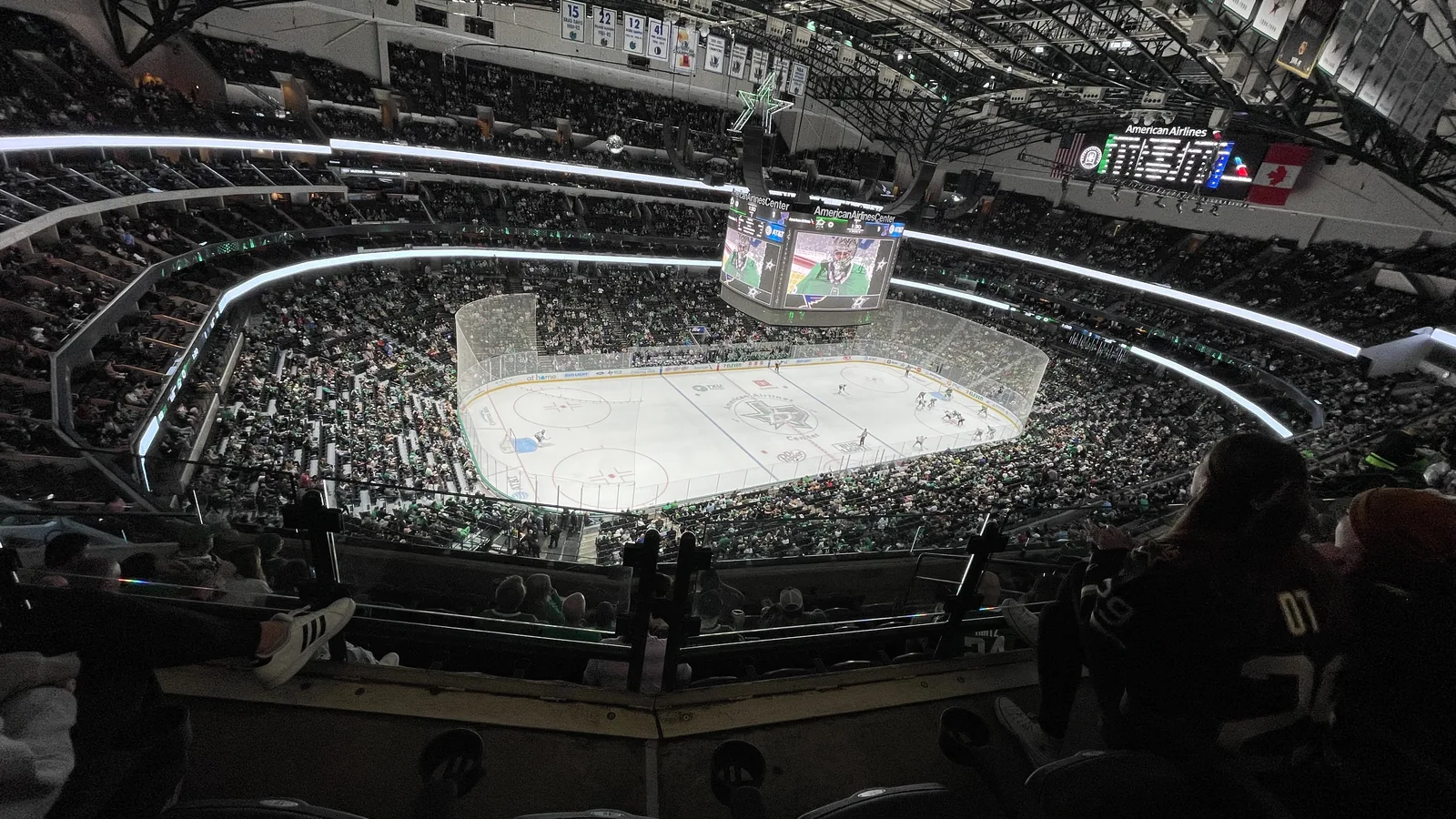
I don’t mind tools like TIFs or public loans helping build arenas. Done right, they are how a city co-invests in a place that has to work every day of the week, not just on game nights. What matters as much as the building itself is what goes around it: housing, restaurants, offices, parks, and a way to get there that is not only a parking garage.
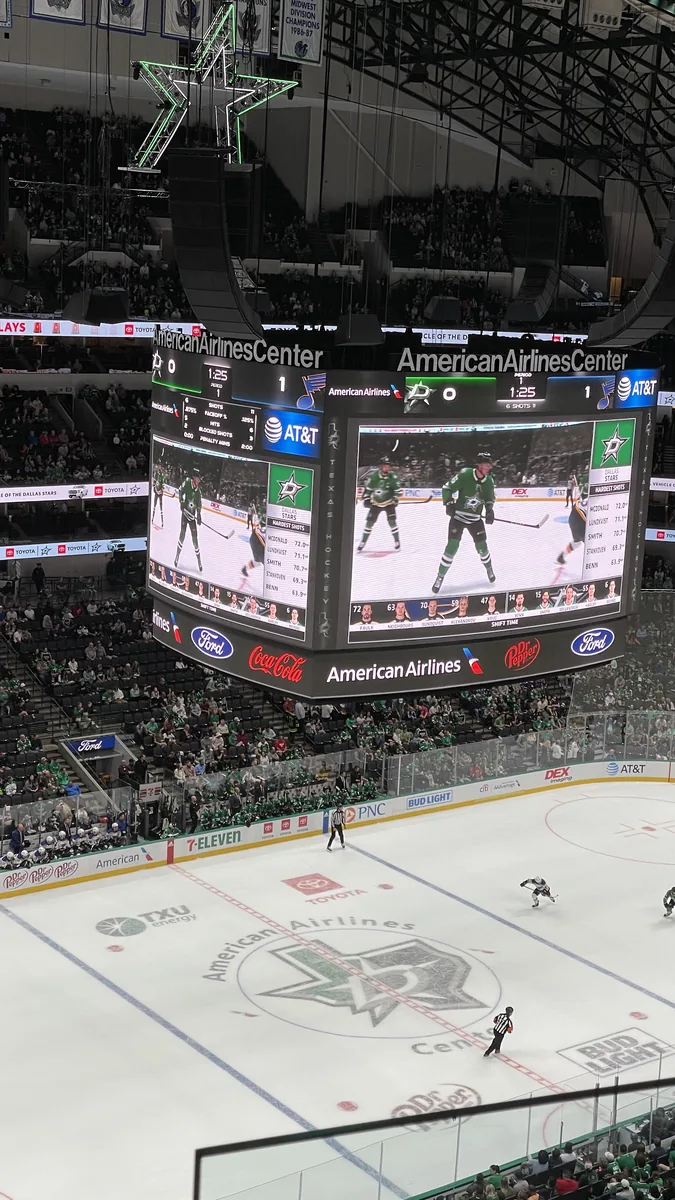
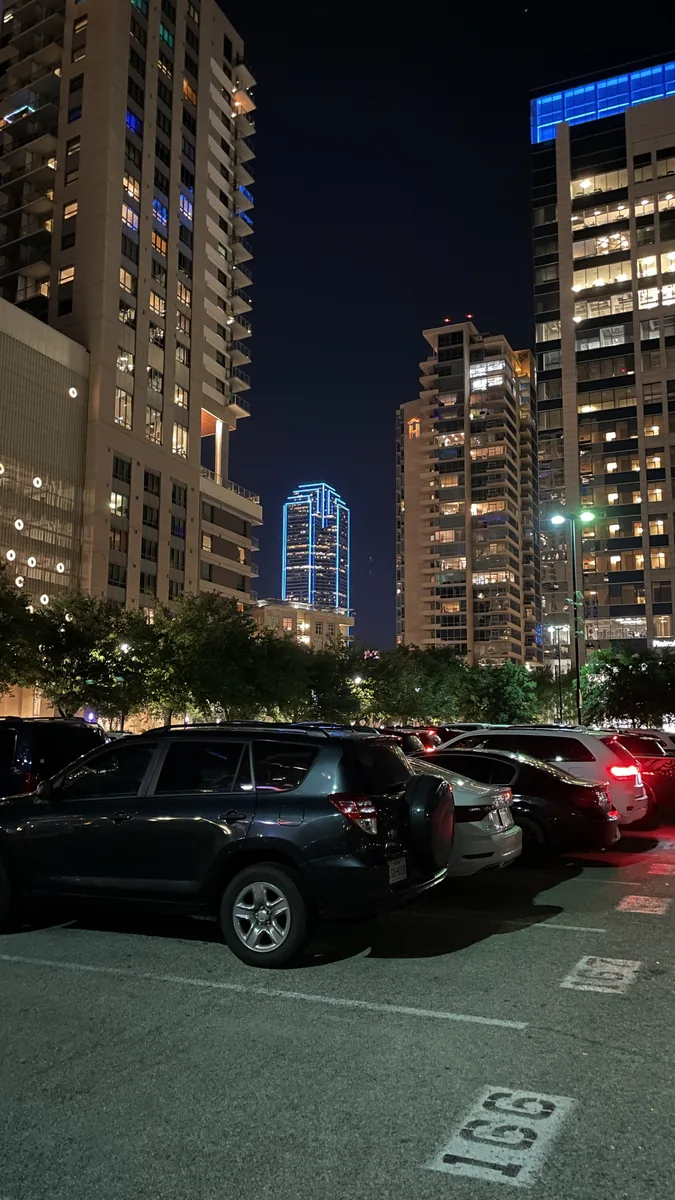
Downtown’s Victory Park area is the local proof. A community built a real district around a stadium. The best thing about American Airlines Center’s current location is its proximity to a major DART station that could and should be used more. Moving the Stars to Plano, in an area with no good transit, or following the Mavericks toward Valley View, where there is a huge dead zone of transit, is a bad idea. These districts really can be essentially 15-minute cities when the project is done right.
That is the lens I want on Plano’s vote and on whatever Dallas does next.
What Plano actually decided
On Tuesday, Plano voters rejected Proposition A, the venue-tax package that would have helped finance a new Dallas Stars arena at The Shops at Willow Bend. Unofficial results with all precincts reporting show about 56,061 votes against and 46,658 for, roughly 55% to 45%. Results are not final until canvassed. Community Impact, CBS Texas, and Axios Dallas all report the same outcome.
Prop A did not ask “Should the Stars move here?” The ballot, under Chapter 334 of the Texas Local Government Code, opened with “THIS IS A TAX INCREASE” and asked voters to authorize a multipurpose arena in the Willow Bend mall area plus a menu of levies: up to 5% on short-term car rentals, up to $3 per vehicle for event parking, up to 10% of ticket prices, up to $5,000 per game on each member of a major league team using the venue, and up to 2% more hotel tax (capped so Plano’s combined hotel tax would not exceed 15%). Full wording is in the Community Impact voter guide.
City leaders said those taxes would not raise the property tax rate. Bob Healey of the STOP The Stars Arena PAC told FOX 4 the city was rushing to a vote without basics in place.
The arena was pitched as a roughly $1 billion, city-owned building leased to the Stars for about 30 years, inside a roughly $3 billion Willow Bend district. Plano’s share was framed as $700 million in bonds. Separately, the city already created a long-running tax increment reinvestment zone around the mall, and Plano ISD agreed to participate for up to $250 million. The Stars want ice by 2031, when the AAC lease ends (Dallas Morning News, KERA).
City Manager Mark Israelson said without the venue taxes, “the proposed financing approach would need to be reassessed before City Council considers any actions related to the arena.” Mayor John Muns called Willow Bend “an important opportunity” (Community Impact, CBS Texas).
Prop A blocked one financing path. It did not repeal the TIRZ, cancel the ISD agreement, or produce a final development agreement. Sports Business Journal called it a setback, not a fatal blow. Opponents told the Dallas Morning News they will keep pressing council. CBS said the Stars did not respond to post-vote comment requests; I have not found a formal Stars statement after the returns.
I am not cheering a blanket “no public money for sports” line. Plano already used TIRZ tools. Dallas used public financing for AAC and Victory Park. The fight worth having is whether the money buys a walkable, transit-connected district or a highway mall with hockey ice in the middle.
Victory Park is the model. Use the station.
I ride DART most days. On game nights, Victory Station puts people a short walk from the arena. DART’s AAC page sends riders to Green and Orange Line trains (and TRE) at Victory. That is how a district can work as something close to a 15-minute place: live nearby, take the train, walk to a game or concert, eat afterward, go home without a car for every trip.
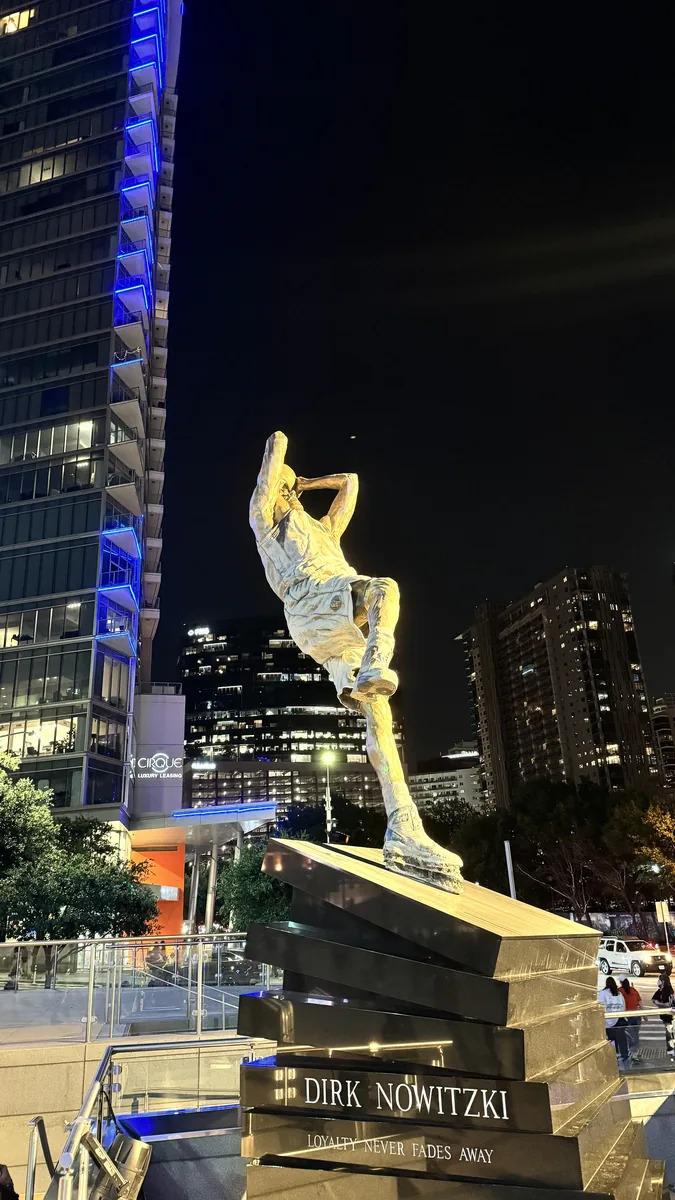
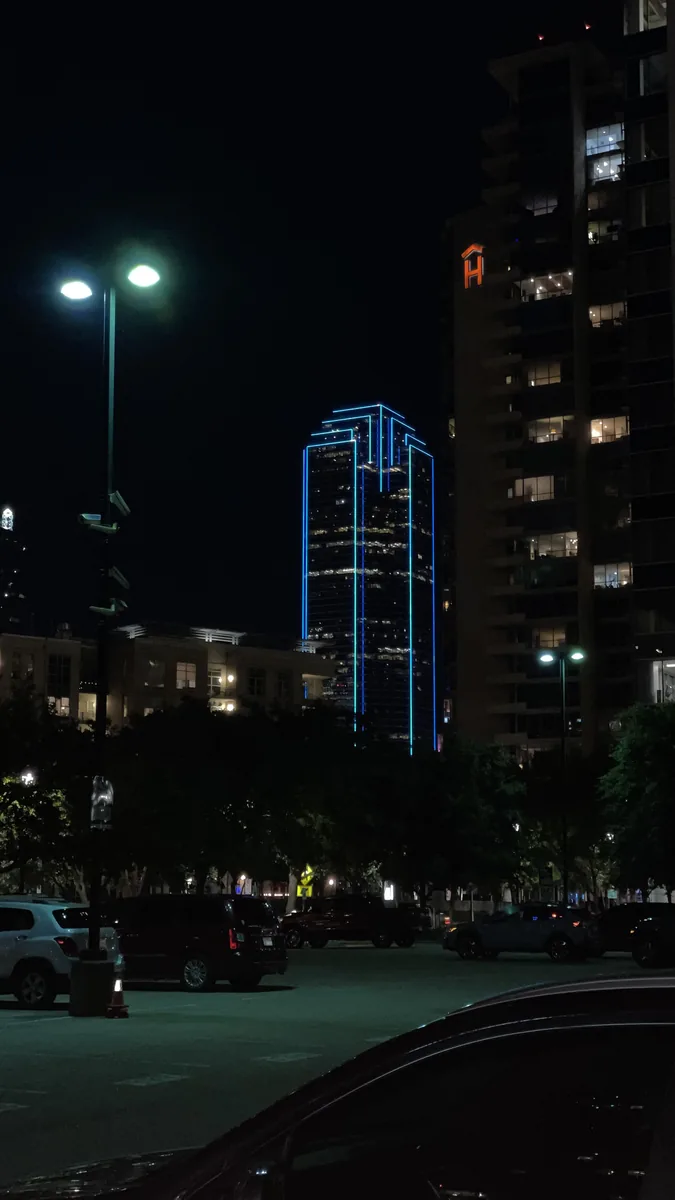
Victory Park is imperfect. Plenty of us wish more people used the station, and that more of the district felt open to people who arrive without a parking pass. The bones are right: a major venue, a surrounding mix of uses, and rail at the curb. That combination is rare in North Texas, and both tenants are writing plans to leave it.
I checked distances with OpenStreetMap routing (approximate):
- AAC to Victory Station: about a tenth of a mile. A few minutes’ walk.
- Willow Bend to Parker Road Station (Red/Orange terminus): about 7.6 miles straight-line, about 11 miles by car. No rail at the mall.
- Valley View (Preston/LBJ) to LBJ/Central: about 3.1 miles straight-line, under 4 miles by car. Closer than Willow Bend. Still a transit dead zone relative to Victory.
The Stars’ Plano site and the Mavericks’ Valley View site are the classic North Texas pattern: dead mall, beltway, parking. The Mavericks selected Valley View in June, with options on about 104 acres and rezoning underway; they have said there will be no casino (Reuters, D Magazine). Both teams agreed to stay at AAC through 2030–31 after their ownership fight (CBS Texas).
If you care about 15-minute cities, the arena is the anchor, not the whole story. Housing, daily retail, jobs, and a train you can walk to from the door are what make the district work. A TIF that helps that kind of place is a different animal from public money that mainly underwrites car access to a former mall.
Dallas still has a window. Spend it on the district.
On Wednesday, the Dallas Business Journal reported that Dallas city officials say negotiations with the Stars are not finished after the Plano vote. @dallasbiznews posted the same lead. The full article is paywalled, so I am not inventing quotes from named officials inside it. Dallas does not treat this as over.
That fits earlier reporting. Council Member Chad West told CBS Texas in February that Plano had pitched the Stars while Dallas was still talking about keeping them at AAC. In October, developer Ray Washburne told a panel covered by WFAA that “the battle is not over” and the exit deals “are not done.”
Dallas owns AAC. If Plano has to rebuild its financing stack, and if Valley View still needs zoning and a land close, City Hall should put a serious offer on the table that doubles down on what already works: keep sports next to rail, invest in the district around the building, and make Victory Station busier on purpose. Loans, upgrades, and tax-increment tools are fair game if they buy a place people can live near and reach without a car. They are a bad deal if they mainly relocate the same arena farther from the trains.
Plano voters rejected one tax package. They did not settle whether North Texas builds arena districts as 15-minute places or as parking decks with logos. Victory Park already shows the better path. The station is there. Use it.