Commentary
DART Is Trading Parking Lots for Homes. Keep Going.
At Mockingbird, DART is giving up surface parking for 394 apartments and putting rider parking underground. Buckner is doing the same. That's the play for the whole system, especially with new zoning rules coming.
I’ve been watching the construction kick off at SMU/Mockingbird Station, and it’s a great move by DART.
They’re giving up a big chunk of their surface parking lot so someone can build apartments next to the train. Rider parking isn’t disappearing. It’s going underground. That swap, homes and daily life on top of what used to be striped asphalt, is exactly what DART needs to be doing.
What they’re building
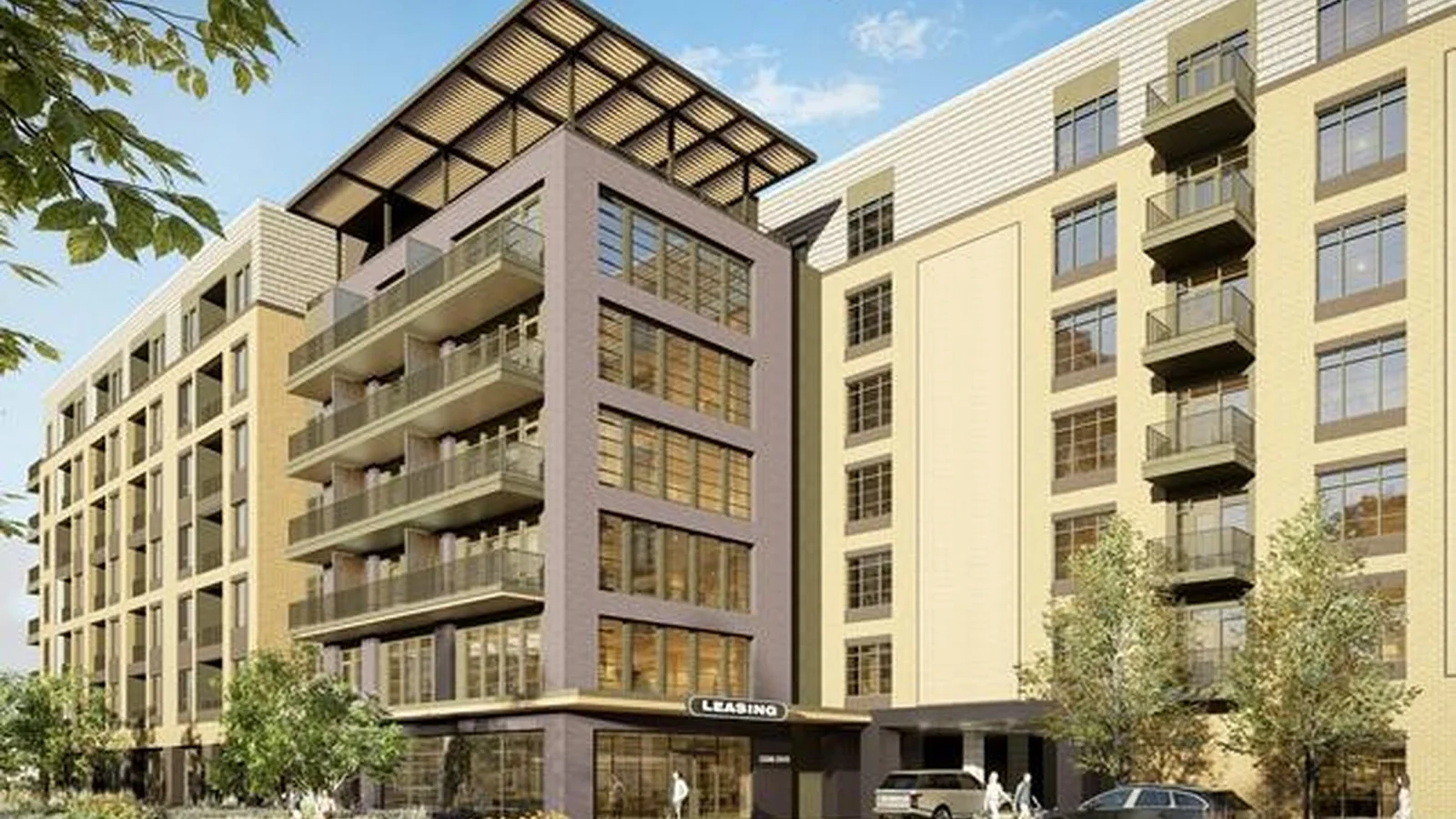
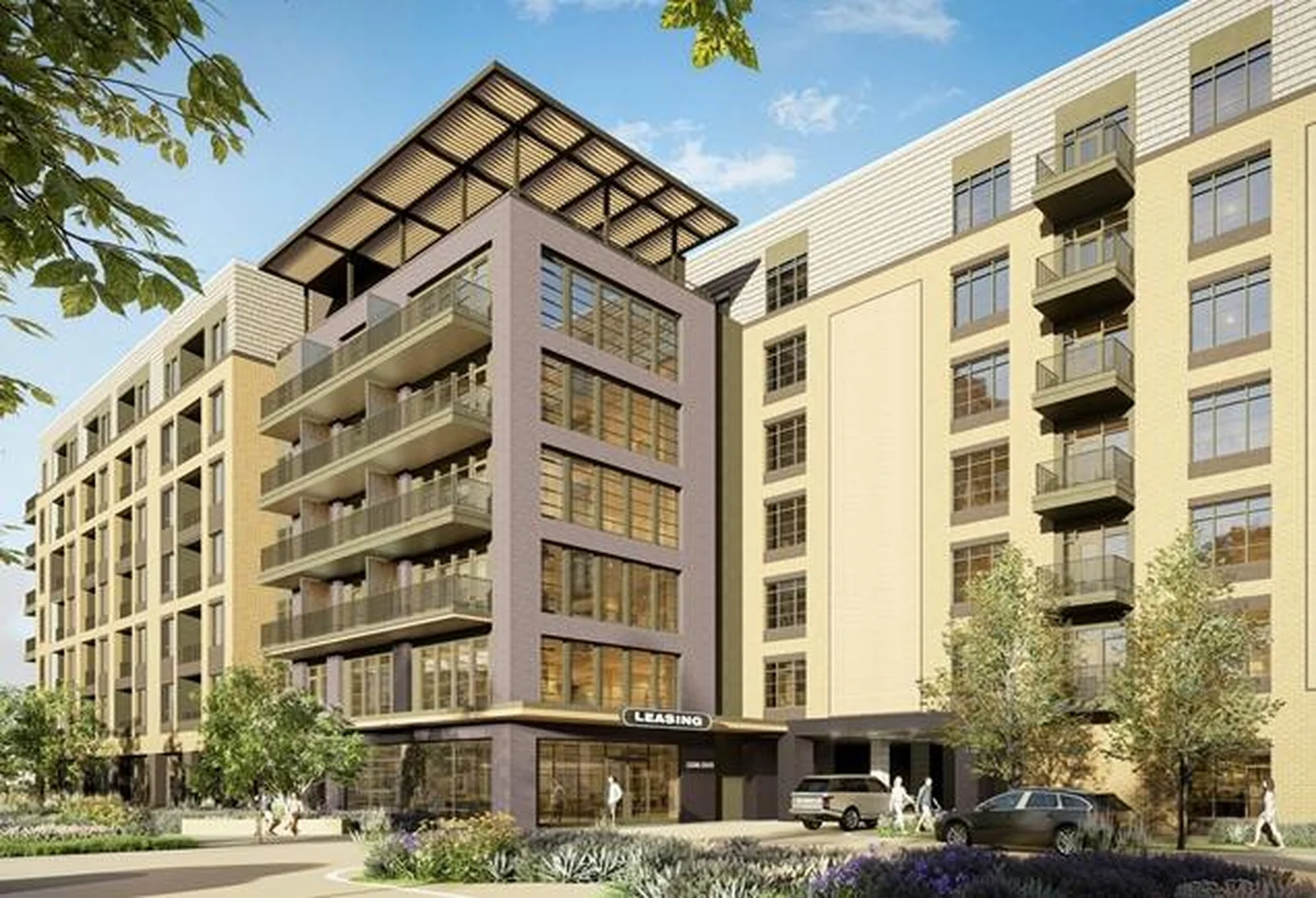
High Street Residential, the residential arm of Trammell Crow Company, broke ground in January on a seven-story building with 394 apartments at Twin Sixties Drive and Worcola Street. Studios, one-bedrooms, and two-bedrooms. Delivery is expected by the end of 2027.
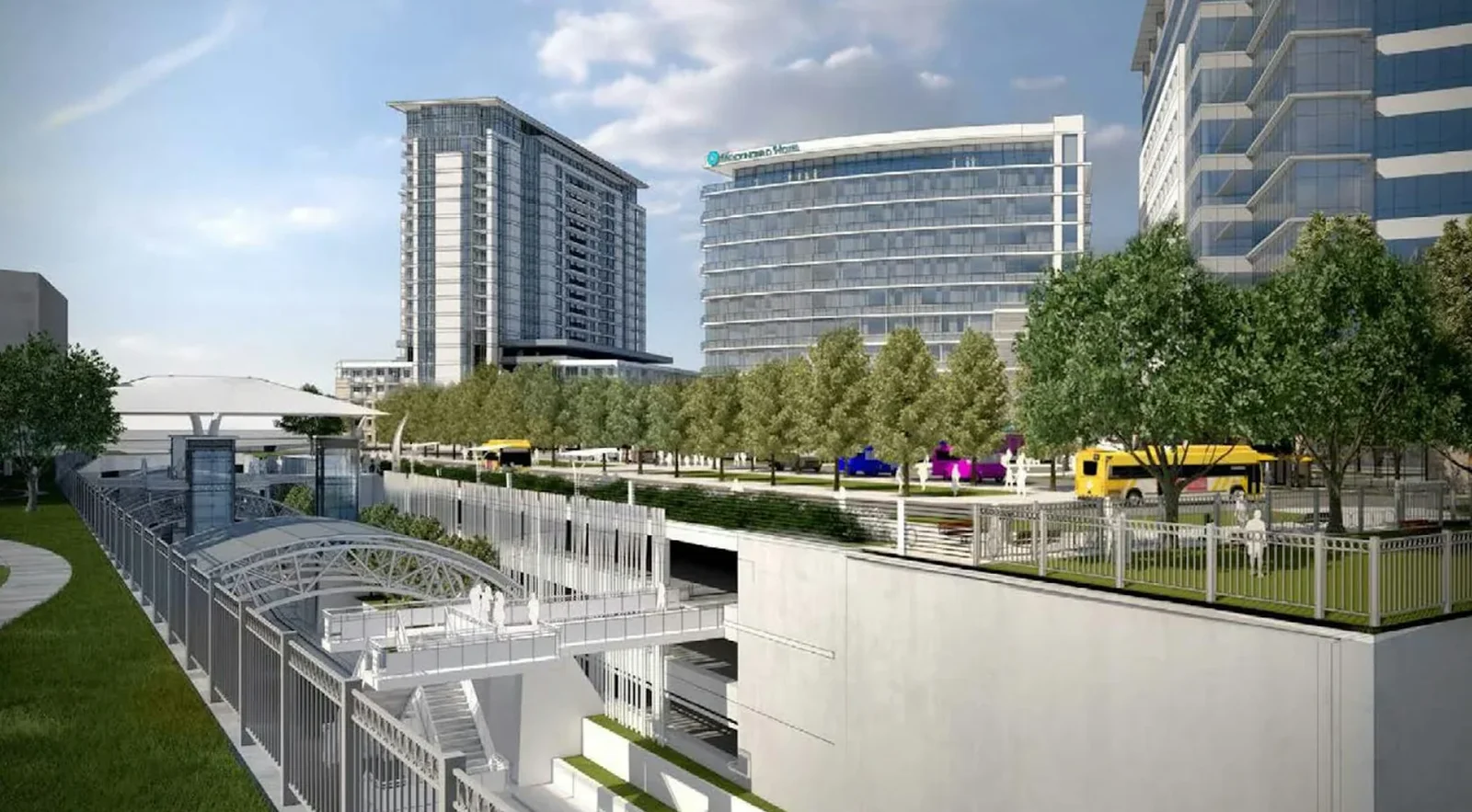
At the same time, they’re building a 500-space underground garage for DART riders and station visitors. The apartments and the garage are phase one of a roughly 16-acre redo of DART-owned land next to the station. Later phases are supposed to bring a hotel, office, and more retail into the mix.
The City of Dallas is in on it through the TOD Tax Increment Financing District. That money helps with public infrastructure, and it comes with a requirement that 20% of the apartments go to households earning at or below 80% of area median income.
So the short version: DART surface lot becomes homes people can actually live in, with a real share set aside as affordable, and the cars that used to sit in the sun get a garage under the building. The train stays put.
Mockingbird was already one of the good ones
A few years ago I rode out to Mockingbird and walked the area. It was already one of the strongest stations on the system. Retail you can walk to. The University Crossing trail. SMU right there. Blue and Orange Line trains. It felt like a place, not a platform stuck in a parking field.
That doesn’t mean it was finished. A big surface lot next to a station that already works is wasted land. Filling it with hundreds of homes makes the walk denser, gives more people a reason to ride, and turns a good station into a better one. When I rode seven stops on the Blue Line and ended at Mockingbird, the takeaway was the same: the line works best where the city and DART actually build around it. This project is that idea in concrete.
Buckner is getting the same treatment
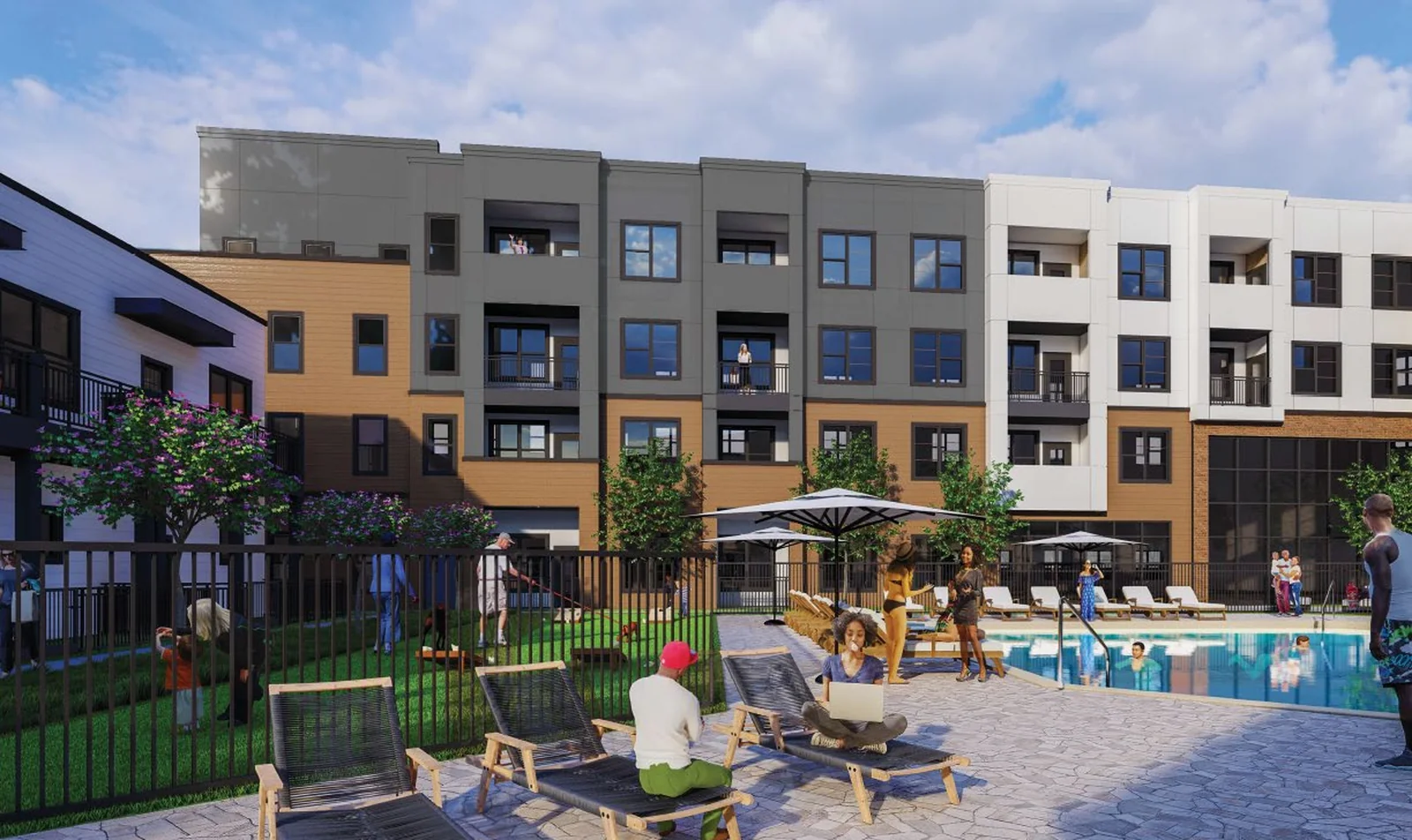
Mockingbird isn’t a one-off. Down on the Green Line in Pleasant Grove, Palladium Buckner Station broke ground in early October 2025 on what had been an underused DART parking lot. Three hundred four apartments, most of them income-restricted, next to the platform. DART is keeping the rail, the bus bays, and a smaller parking pad for riders. The rest of that asphalt becomes housing.
I’ve talked a lot about Dallas ending parking minimums. This is what that idea looks like when a transit agency acts on its own land. You don’t need a rule forcing a developer to build less parking if DART itself stops treating every station as a park-and-ride first. Mockingbird and Buckner are two different neighborhoods and two different income mixes, and the pattern is the same: trade the empty lot for people who live on the train.
Do this at every station
DART owns a lot of land next to platforms. Some of it has to stay as parking. A lot of it doesn’t. The agency already has a transit-oriented development program for long-term ground leases on station property, and it’s actively shopping sites. Right now there’s a request out for a development partner on about 18 acres at Westmoreland Station on the Red Line. That’s the right instinct. Keep the list moving.
Every station that still has a half-empty lot should be on the table. Not every site will pencil the same way Mockingbird did. Some will need more city help, the way Buckner did. Some will be smaller. The point is the default should flip. When DART looks at a station, the first question shouldn’t be how many cars it can store. It should be how many homes, shops, and jobs can sit next to the platform without killing the ride.
The zoning draft makes this easier
Timing helps. The city just released the first draft of its development code rewrite, the first real overhaul in decades. In the parts that matter for stations, qualifying multifamily and mixed-use projects can get a 20% height bonus near transit, and the draft sets parking maximums in those areas instead of egging people on to build more garage than they need.
I’ve already said Dallas doesn’t need another dated vision document. It needs rules that let housing go up next to the trains we already paid for. The half-mile / station carveouts in this draft are the piece I like. If they survive the next few months of hearings, projects like Mockingbird get easier to repeat. If they get watered down, we’re back to fighting for every floor and every parking stall.
Public comment on the first draft runs at least four months. Show up. Say you want more housing by the stations, not more surface lots.
What I want next
Finish Mockingbird. Finish Buckner. Then put the next station lots on a clock. Westmoreland is already in the queue. There should be a clear public list of which DART sites are being offered, which ones are under negotiation, and which ones are stuck, so member cities and neighbors can push.
None of this replaces running the trains well. Frequency, safety, and reliability still matter more than any ribbon cutting. But a transit agency that owns acres of empty pavement next to its best stops is sitting on ridership it hasn’t built yet. Mockingbird shows the fix. Put homes where the parking used to be, keep a garage for the people who still drive to the train, and do it again at the next station.
I’ve liked Mockingbird for a long time. Watching DART finally build on its own lot there is the kind of move the whole system should copy.