Policy note
Dallas Ended Parking Minimums Last Year. So What's Been Done?
Eighteen months after the 14-1 vote, the cranes aren't lining up yet, but the projects are. Near the trains, the city now writes 'none' where it used to write a parking ratio. Developers are still building plenty of parking. And nobody is taking anyone's car away.
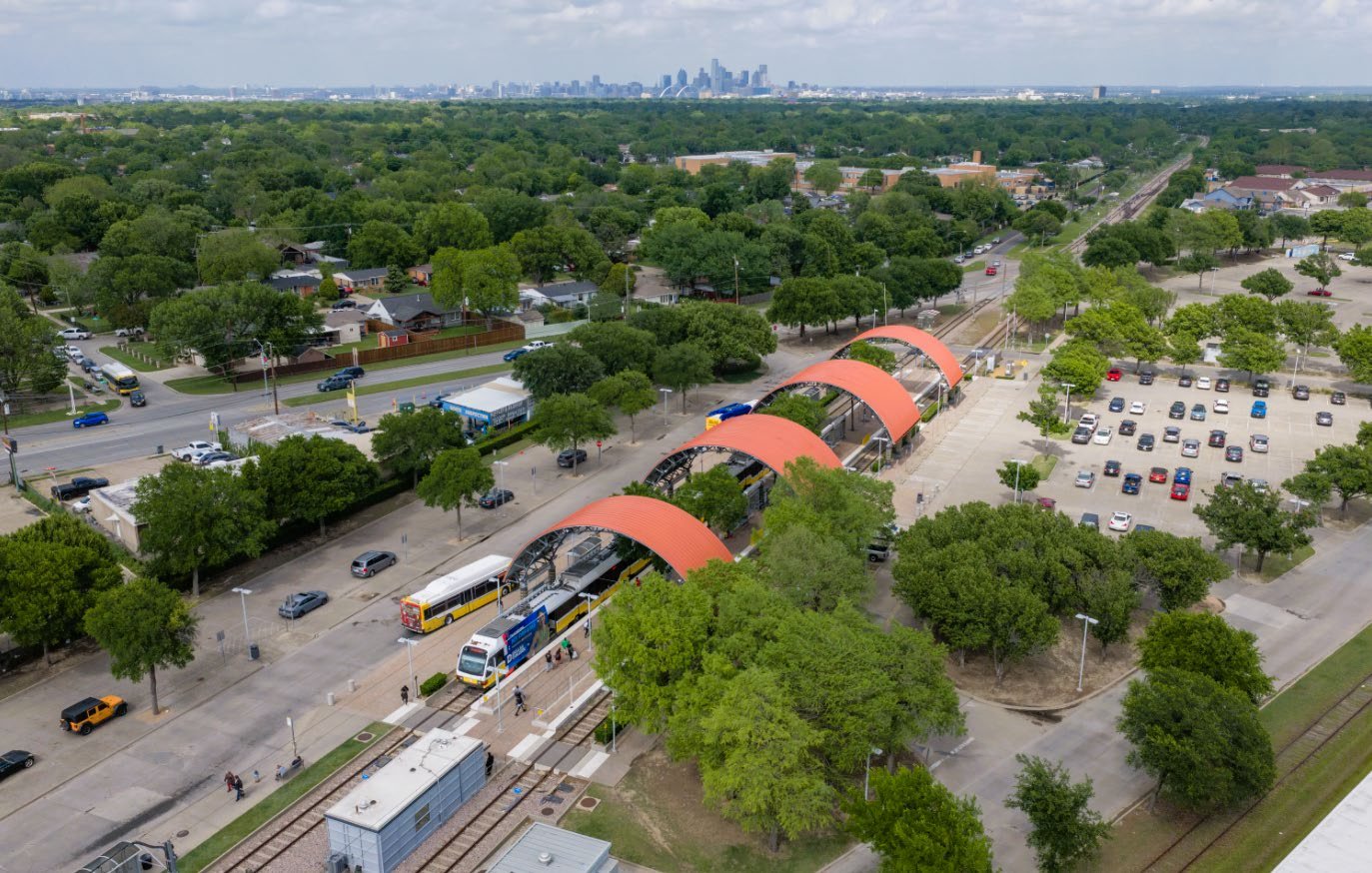
On May 14, 2025, the Dallas City Council voted 14-1 to throw out most of the city’s parking minimums. We made a video about it and wrote it up the week it passed. It was a big deal. The code it replaced dated to 1965.
That was eighteen months ago. So what has it actually done?
Short answer: less than the hype and more than the critics will admit. Here’s what I found.
What passed, quickly
The city stopped telling property owners how much parking to build in a lot of places. No minimums for any use within a half-mile of a light-rail or streetcar station, or downtown. None for designated historic buildings. None for offices and most retail. Bars and restaurants get their first 2,500 square feet free. Apartment buildings with 20 units or fewer need no parking at all.
It kept minimums where people worried most. Houses in single-family, duplex, and townhouse districts still need one space per home. Apartment complexes with 21 to 199 units need half a space per unit, and 200 units or more need one per unit. Industrial and heavy commercial uses still have to park when they sit next to single-family homes. That’s all straight from the city’s summary.
None of this touches street parking. And nothing in it tells anyone to build less parking. It just stopped requiring more.
So what’s been built?
Honestly, not much you can point at yet and say “parking reform built that.”
That was always going to be true. At the hearing, Adam Lamont of Dallas Neighbors 4 Housing told the council the change would be “like a ship” and take “years and even decades to really take effect.” A mid-size apartment building takes a couple of years to go from napkin to zoning to permits to move-in. Eighteen months in, we’re seeing the pipeline, not the ribbon cuttings.
The city hasn’t published a count of permits that used the new rules. The council did add an amendment requiring staff to report back every two years, so the first real scorecard should land around May 2027. I want that report to have real numbers in it.
Here’s what is in the pipeline.
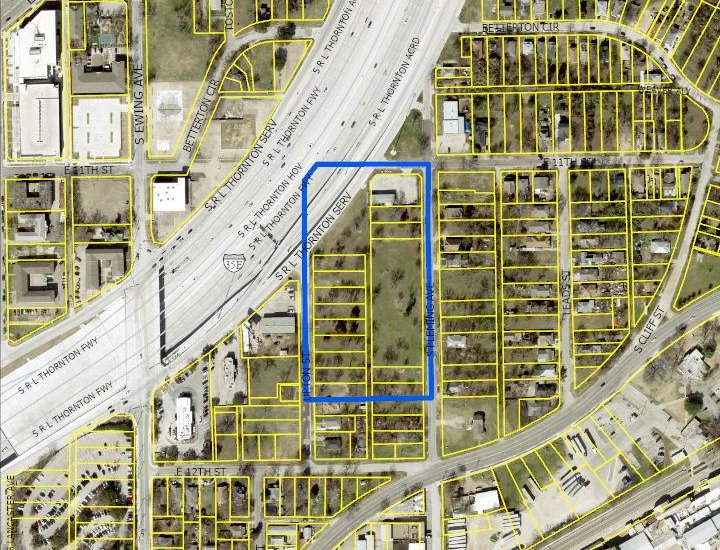
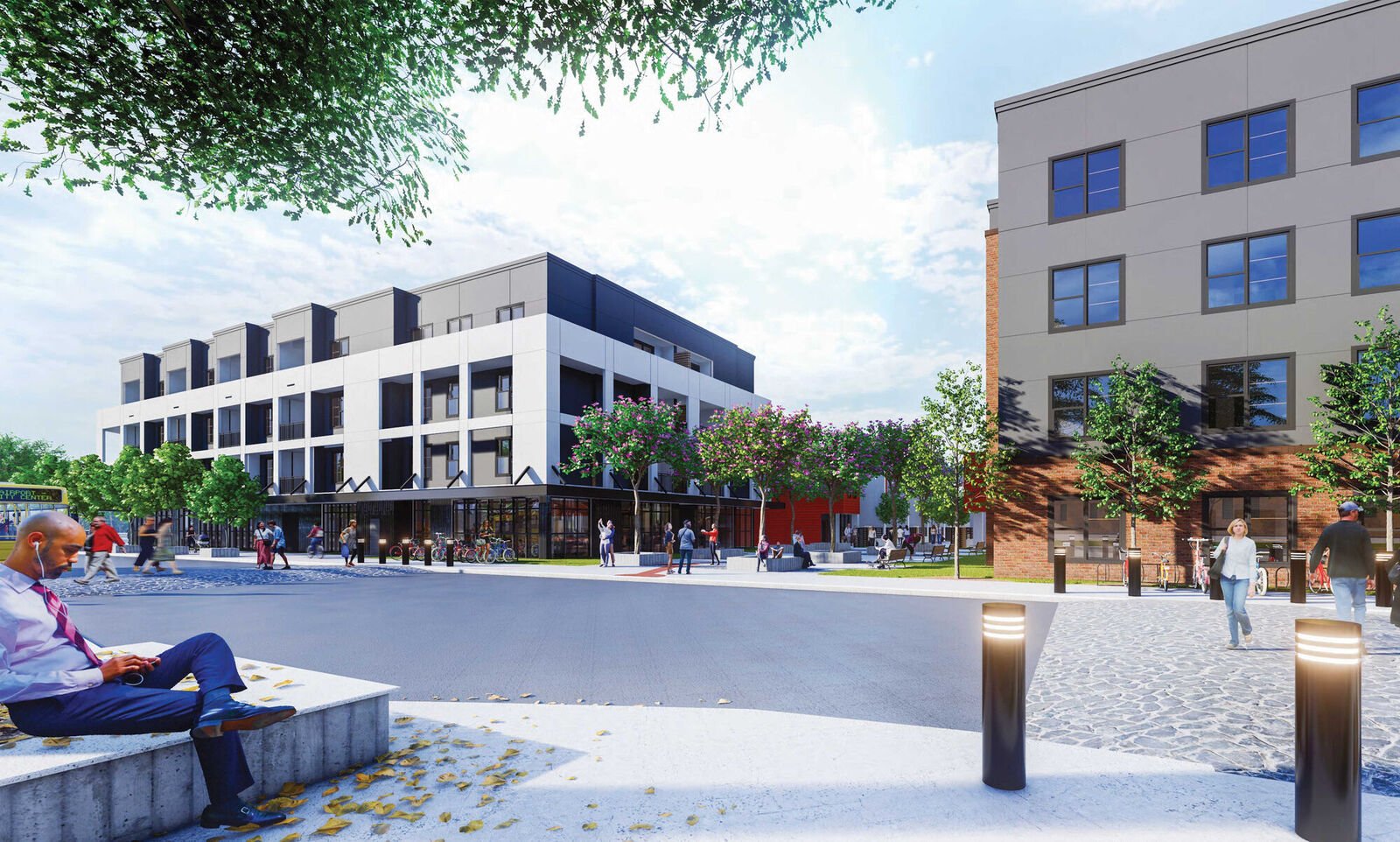
341 S. Fleming, by Dallas Zoo Station. This is the clearest example so far. About 4.25 mostly vacant acres zoned for heavy commercial use, the kind of zoning that allows outside storage and vehicle repair, right off I-35E in Oak Cliff. The owner asked for a walkable mixed-use district: five stories, retail on the ground floor, apartments above. The city staff report says it plainly: because the site is within a half-mile of light rail, “the off-street parking requirement for any uses… is none.” The developer can still build parking. The city just doesn’t dictate a number. The Plan Commission approved it October 8, and the council followed that recommendation on November 10.
Mockingbird. High Street Residential broke ground in January on 394 apartments on what had been DART surface parking, part of a plan to turn about 16 acres of lots into a neighborhood. DART riders get a 500-space underground garage instead of a sea of asphalt. Delivery is expected by the end of 2027. I wrote about this one already. It’s DART land and a city TIF deal, so I won’t pretend the parking vote did it alone. But it’s what the vote was for.
Buckner. The same week as the parking vote, the council approved $14.5 million in incentives for Palladium’s 304 mixed-income homes on an underused DART lot at Buckner Station, including 67 three-bedroom units. It still has two residential garages. That’s fine. The point is that the lot becomes homes.
Westmoreland. In October, DART asked for developers for 18.3 acres at Westmoreland Station. There are 672 surface spaces there now. DART figures riders need about 125. That’s more than 500 parking spaces’ worth of land that could hold something else.
The small stuff you won’t read about. This is where I think the reform does the most good, and it doesn’t make the news. Before the vote, Germán Sierra bought a building in South Dallas to open a coffee shop and spent years fighting a rule that said he needed 18 parking spaces. At the council hearing, Oak Cliff coffee shop owner Russell Tibbitts said he was paying for a lot down the street that sat empty, just to meet code. Under the new rules, a restaurant under 2,500 square feet doesn’t need a single space. The win there is the variance hearing that never has to happen.
I’ve always said bars shouldn’t have parking. Like at all. Dallas didn’t go that far. Small ones got close.
Developers are still building parking
This is the part that should calm people down.
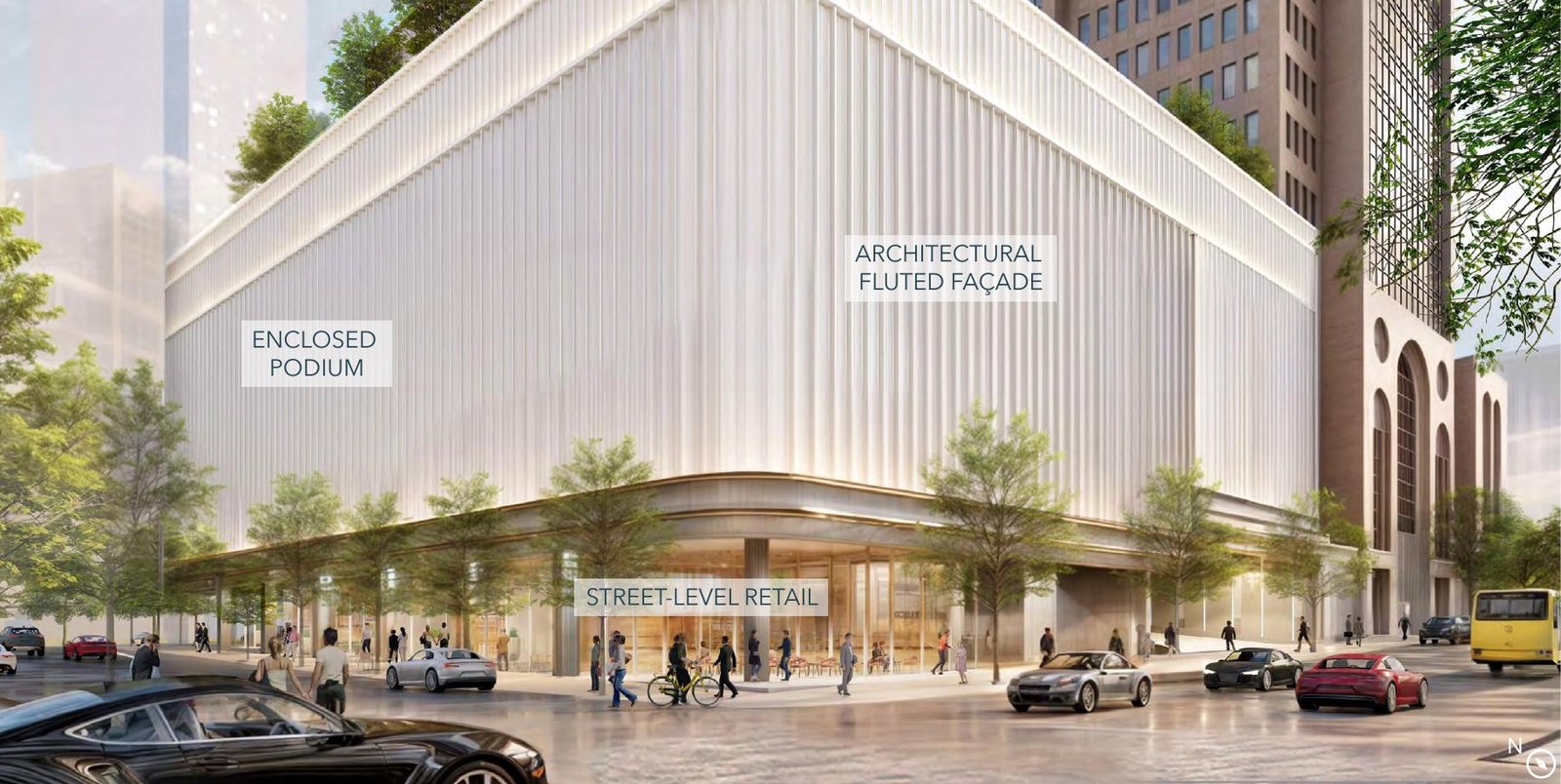
Even downtown, a few blocks from the rail line, the Comerica Bank Tower redevelopment plans to add a 437-stall garage. That’s the developer’s call about what tenants and hotel guests will want. I’d rather see fewer stalls that close to the trains, but that’s the point: it’s their call now.
In May, the North Central Texas Council of Governments published a parking requirements study that went out and counted cars. In its 37-site Dallas sample, 29 sites built more parking than code required, often by hundreds of spaces. Only seven built less. Across the region’s apartment sites, developers built about 1.74 spaces per unit, and the cars actually parked there averaged 0.96. The report’s own conclusion: market preferences, lenders, and tenants “may influence parking supply more than regulatory minimums.”
So the minimum was never the thing keeping your street clear. Developers who think they need parking will build it. Lenders will make them. The rule only bites the project that doesn’t need it: the coffee shop, the fourplex, the apartment building next to a train.
Now, the nonsense
“They’re taking our cars away.” No. I’m a car guy. I love cars and racing and I hate traffic. This rule is about how many spaces the city forces a private owner to pave. It doesn’t touch your driveway, your garage, or the curb. It doesn’t cap parking anywhere in the current code. Good news is no one is taking your car away. You just won’t be forced to pay for a parking space you don’t use, baked into your rent.
“Renters will park all over our neighborhoods.” The council kept minimums for houses, for apartment complexes over 20 units, and for heavy commercial next to single-family homes. That’s where the spillover fear lives. And Lower Greenville neighbors were describing spillover before the vote, under the old minimums. Minimums didn’t fix it. The tool for street parking is managing the street, and the city is finally using it: Deep Ellum meters were set to go to $1 an hour in May, and staff are studying paid parking for Uptown and Bishop Arts. If a block is jammed, price it and enforce it. Don’t make every new building pave a lot that sits half empty.
“No other city the size of Dallas has done this.” That one came up at the hearing. Austin dropped parking minimums citywide in November 2023, a year and a half before us. Dallas’s version is milder than Austin’s.
“Dallas isn’t walkable. Everybody drives.” Mostly true, and the reform respects it. Council member Cara Mendelsohn, the lone no vote, said it was too “urbanistic” for her district, and a North Dallas resident told the council “we don’t have mass transit… we really do have to drive.” Fine. Big apartment complexes and houses up there still have minimums. But Dallas is a car city partly because the code made it nearly impossible to build anything else. Near the stations, it shouldn’t be.
“This will hurt working people who have to drive.” The city’s own staff estimated a parking space adds $100 to $200 a month to rent or a mortgage. Forcing it on every unit hits the people who can least afford it. At the hearing, Azael Alvarez put it better than I can: “We don’t need a bulldozer anymore to displace a community, sometimes all it takes is a line in the code.”
Where the zoning rewrite comes in
The zoning rewrite draft the city put out November 5 builds on this. It folds the parking reform into the new code and goes a step further where the trains are: a parking maximum within a half-mile of light rail and streetcar stations, one space per home and one per 200 square feet of commercial. Backyard cottages would need no parking. A proposed anti-displacement overlay would drop parking requirements for owners who keep an older house instead of tearing it down.
There’s one gap I want closed. A lot of central Dallas sits in old planned-development districts that wrote their own parking ratios. Staff told the Plan Commission in a September 2025 recap that where a PD sets its own ratio, like Oak Lawn’s PD 193, the new lower ratios don’t apply. In their 2024 report, city planners flagged eleven of these districts to revisit, including Deep Ellum, the Cedars, Bishop Arts, and the Downtown Core. Those are some of the most walkable, best-served places we have. The rewrite is the time to fix that.
What I want next
Give us the numbers. When staff brings the two-year report, show how many permits used reduced or zero parking, how many parking variance cases went away, and what got built.
Watch Fleming. If 341 S. Fleming gets built, it’s a five-story building with shops and homes on land zoned today for outside storage and auto repair, a short walk from a Red Line station. That’s what this reform was for.
Keep the station maximums in the rewrite, and clean up the old PD ratios. If you want to weigh in, leave a comment at DallasZoningReform.com. The city’s open houses are December 14 at City Hall, December 15 at Fretz Recreation Center, and December 16 at Martin Weiss Recreation Center.
I still drive. I still pick the train when I can. No fighting traffic, no hunting for parking, no paying for it. The parking reform didn’t take anything from drivers. It took a 1965 rule off the land around our trains. Now let’s see what we build there.