Explainer
Density Isn't a Tower in Your Backyard
When people hear 'density,' they picture a 30-story building next to their house. Most of what I'm asking for looks like townhomes, duplexes, fourplexes, and corner shops, plus real density where the trains are.
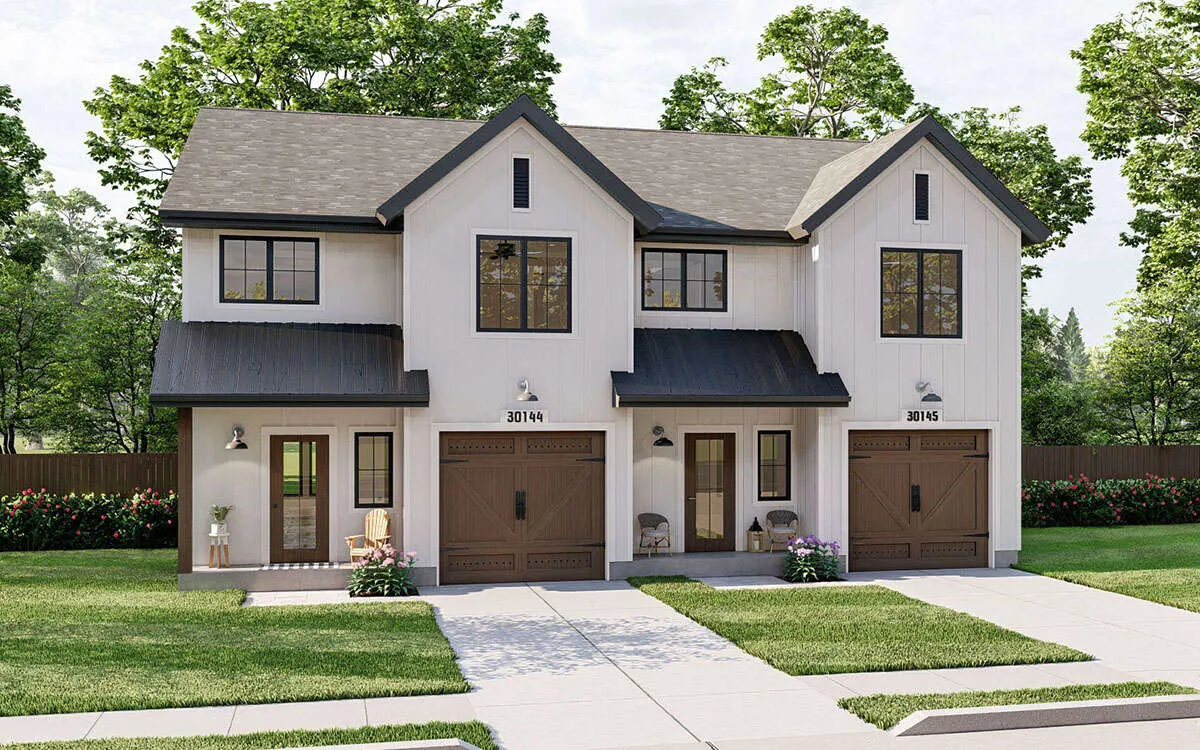
Say the word “density” at a Dallas neighborhood meeting and watch the room. People picture a 30-story tower going up next to their house, a parking nightmare on their street, and a neighborhood they don’t recognize in five years.
That’s not what I’m asking for. Most of the time it’s not what anyone is asking for.
This is part of a series on the fundamentals behind what I write here. It starts with What Makes a City Good?
What density actually means
Density just means more homes, and more of daily life, in the same amount of space. That can look like a lot of things.
It can be a tower downtown. It can also be a duplex that looks like a big house. A row of townhomes. A small apartment building on a corner with a coffee shop on the ground floor. A garage apartment for a grandparent. Most of the walkable neighborhoods people love, in Dallas and everywhere else, were built at that scale before zoning made it illegal.
The missing middle
Planners have a name for that in-between stuff: missing middle housing. The architect Dan Parolek coined it in 2010 for the range of buildings between a single-family house and a mid-rise apartment complex. The key is that they’re house-scale. A good fourplex can look like a large single-family home from the street. The clue is the extra mailboxes.
The types include duplexes, triplexes, fourplexes, courtyard apartments, cottage courts, townhouses, and live-work units.
It’s called “missing” because for most of the last 70 years we mostly stopped building it. Zoning split cities into single-family lots on one side and big apartment complexes on the other, with nothing in between.
My take is simple. Townhomes, row homes, duplexes, and fourplexes are all great for neighborhoods. A good mix of housing is what makes a neighborhood work.
Dallas spends a lot of land on one kind of home
In 2024, Dallas’s chief data officer, Brita Andercheck, told the city that about 35% of Dallas land is single-family and carries 4% of taxable value per acre. 0.2% of the land is multifamily or mixed-use commercial and accounts for 40% of taxable value.
I’m not saying single-family homes are bad. I’ve lived in them. I’ve owned one. Plenty of people want a yard, and they should be able to have one. The issue is when it’s the only thing you’re allowed to build across most of a big, growing city.
Blocking all density makes everything more expensive
This is the argument that I think gets missed most.
When neighborhoods block any change at all, the demand doesn’t go away. People still need somewhere to live. So the pressure piles up on the few places where building is allowed, and those places get expensive fast.
My biggest problem with no density outside of transit locations is that it makes what’s built around transit even more expensive by creating scarcity. And it pushes everyone else farther out, onto longer commutes and more highway.
Building huge towers in the middle of single-family neighborhoods is wrong. But when people oppose any density and any change, it hurts those neighborhoods in the long run and hurts affordability for newer buyers. Imagine denying a young couple the chance to buy or rent there, and bring prices down for everyone.
Gentle density or the big building: pick one
There’s a choice hiding in most of these fights.
A neighborhood can accept gentle density: garage apartments, duplexes, fourplexes, and townhomes spread through it over time. Or it can block all of that and eventually get the one big project on the corner that’s the only thing that pencils out. As I put it once, it’s gentle density or Pepper Square. Pick one.
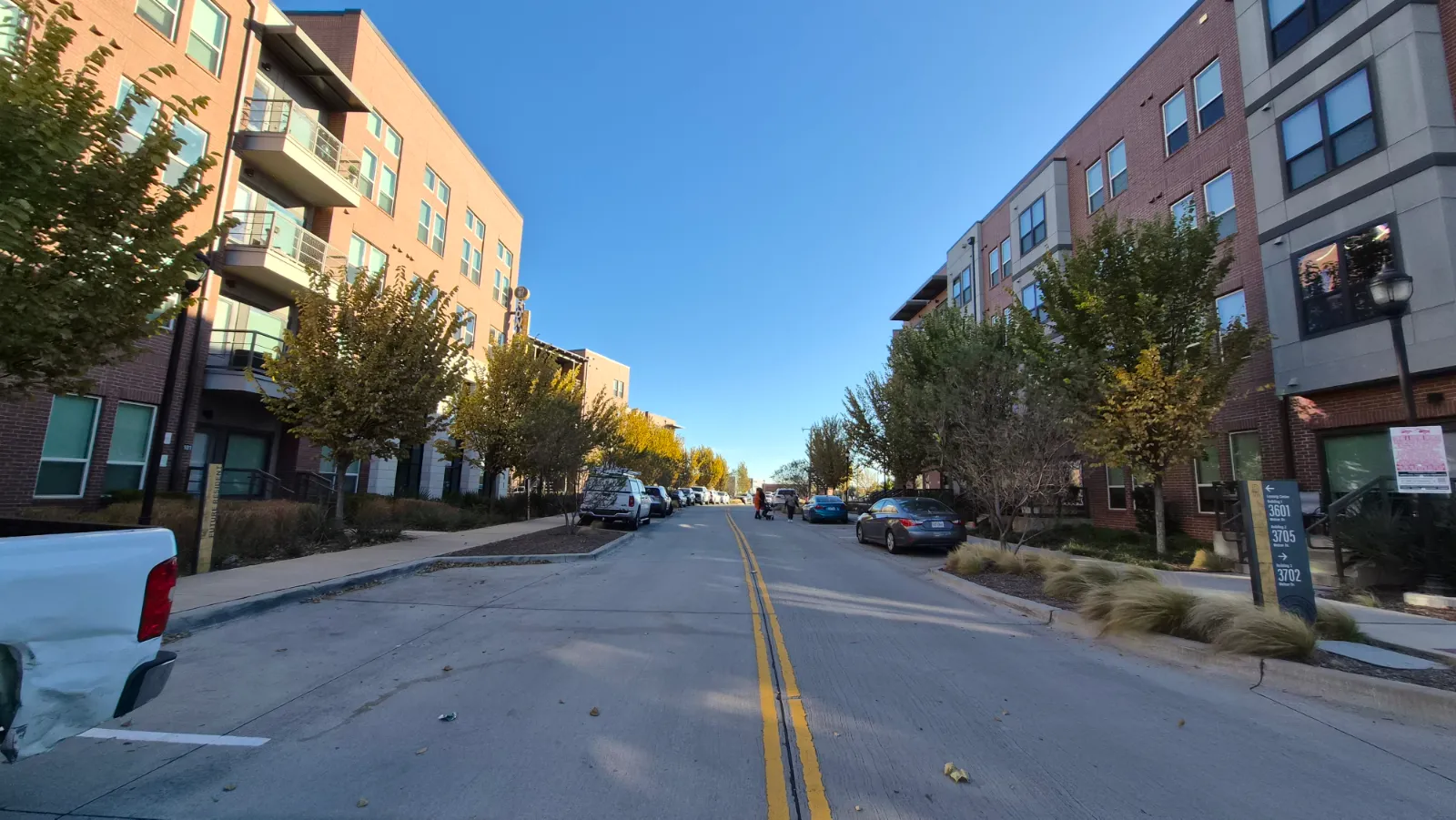
The other half of that deal is the dense parts of the city. I’d like Dallas to make the dense parts of the city really dense so that density doesn’t have to spill into every other neighborhood. Downtown, Uptown, and the land right around DART stations should have the fewest limits in the city. That’s the half-mile radius I keep pushing for. If we’re going to be restrictive anywhere, it should run the other direction near the trains: build denser and taller, not less.
Density only works with daily life around it
Density by itself isn’t the goal. Nobody moves somewhere just because there’s an apartment.
Dense places work when the stuff people need is close: a grocery store, a pharmacy, a coffee shop, a school, a park. That’s what turns density into a neighborhood instead of a pile of bedrooms. It’s also why transit and density belong together. Transit without density is charity. Density without transit is punishment.
Build density for families
The fastest way to lose the argument for density is to build nothing but studios.
I raised four kids, in the suburbs and in the city, and I want cities to be built for families. That means three- and four-bedroom units, not just one-bedrooms. Parks you can walk to. Schools nearby. Courtyards and playgrounds. Not Just Bikes has a good video on Amsterdam that shows what that looks like: kids on bikes, parks where parking used to be, quieter streets, and families living in the middle of the city on purpose.
Families put down roots. They fill parks on Saturdays and shops on weeknights. A dense neighborhood that families can live in is one that lasts.
What I want Dallas to do
- Allow missing middle housing by right in more neighborhoods: duplexes, fourplexes, townhomes, and backyard cottages, without a special hearing every time.
- Go big where the trains are. Map the station areas generously and set minimums on density near stations, not caps.
- Require some family-sized units in the new density we’re asking people to live in without a car.
- Bring parks with the people. A park you can walk to on Saturday, not a fee spent years later somewhere else.
Dallas is one of the biggest cities in the country, in one of the fastest-growing regions. We shouldn’t be limiting options. Density done right isn’t a tower in your backyard. It’s more of your neighbors being able to afford to live near you.