Explainer
How You Get to the Grocery Store Is a City Decision
Walkability isn't a luxury or a vibe. It's whether daily life works without a car for every trip: errands, school, a park on Saturday. And no, Texas heat isn't the reason we can't have it.
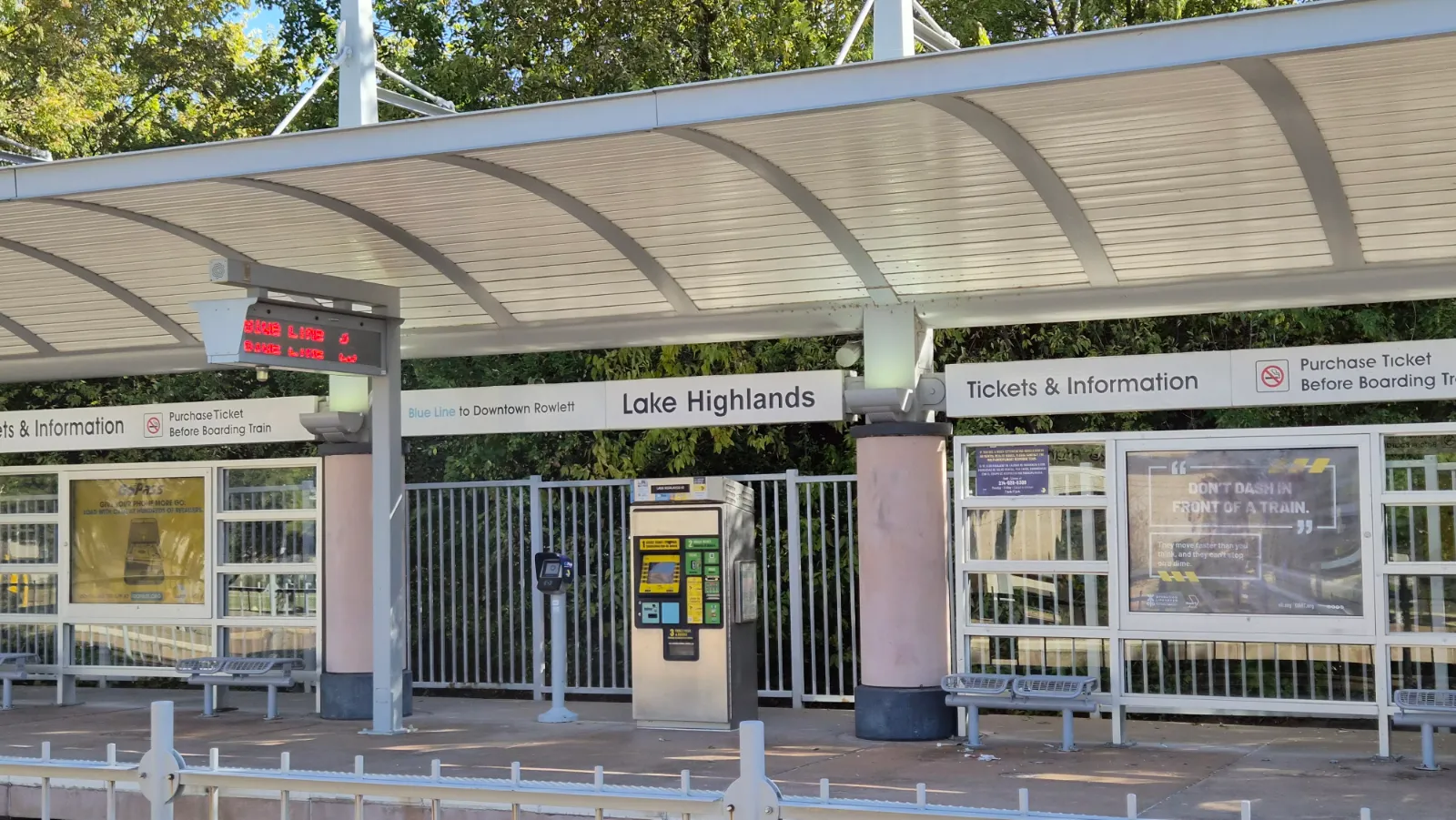
Here’s a line I keep coming back to: how someone gets from their front door to a train, a grocery store, or a park is a city decision. It’s not enough to wait on a developer to make that choice.
It’s not luck. It’s not just “how Dallas is.” Cities often blame a missing sidewalk on the developer, or on the fact that nothing has been built yet, and they put a public job on private developers. The same thing happens when a building gets dropped onto a street with no thought for how it fits. Somebody decided how wide the road is, how fast the cars go, whether there’s a sidewalk, how far apart the crosswalks are, whether a store is allowed on the corner, and whether the grocery store sits behind a parking lot the size of three football fields. Change those decisions and you change daily life.
That’s what walkability means to me. It’s not just an urbanist buzzword trying to trick people into something they don’t want. A good judge of walkability is whether you can live a normal week without starting the car for every single thing.
This is part of a series on the fundamentals behind what I write here. It starts with What Makes a City Good?
Walkable is not the same as “has sidewalks”
A lot of Dallas technically has sidewalks. That doesn’t make it walkable.
A place is walkable when three things line up:
- There’s somewhere to go. Groceries, coffee, ice cream shop, a pharmacy, a school, a park, a train. If everything nearby is houses, there’s nothing to walk to.
- There’s a direct way to get there. Short blocks and connected streets. Not a cul-de-sac that dumps you onto a six-lane road half a mile out of your way.
- The walk feels safe and comfortable. Shade, a sidewalk wide enough to walk next to someone, crossings that don’t feel like a dare, and buildings that face the street instead of a blank wall or a parking lot.
Those same tests apply to bikes, e-scooters, and other quick ways of getting around, not just walking.
Miss any one of those and people drive, even when the store is a five-minute walk away. You’ve probably done it. The store is right there but the route crosses a stroad with no crosswalk, so you get in the car. (More on that in Roads, Streets, and Stroads.)
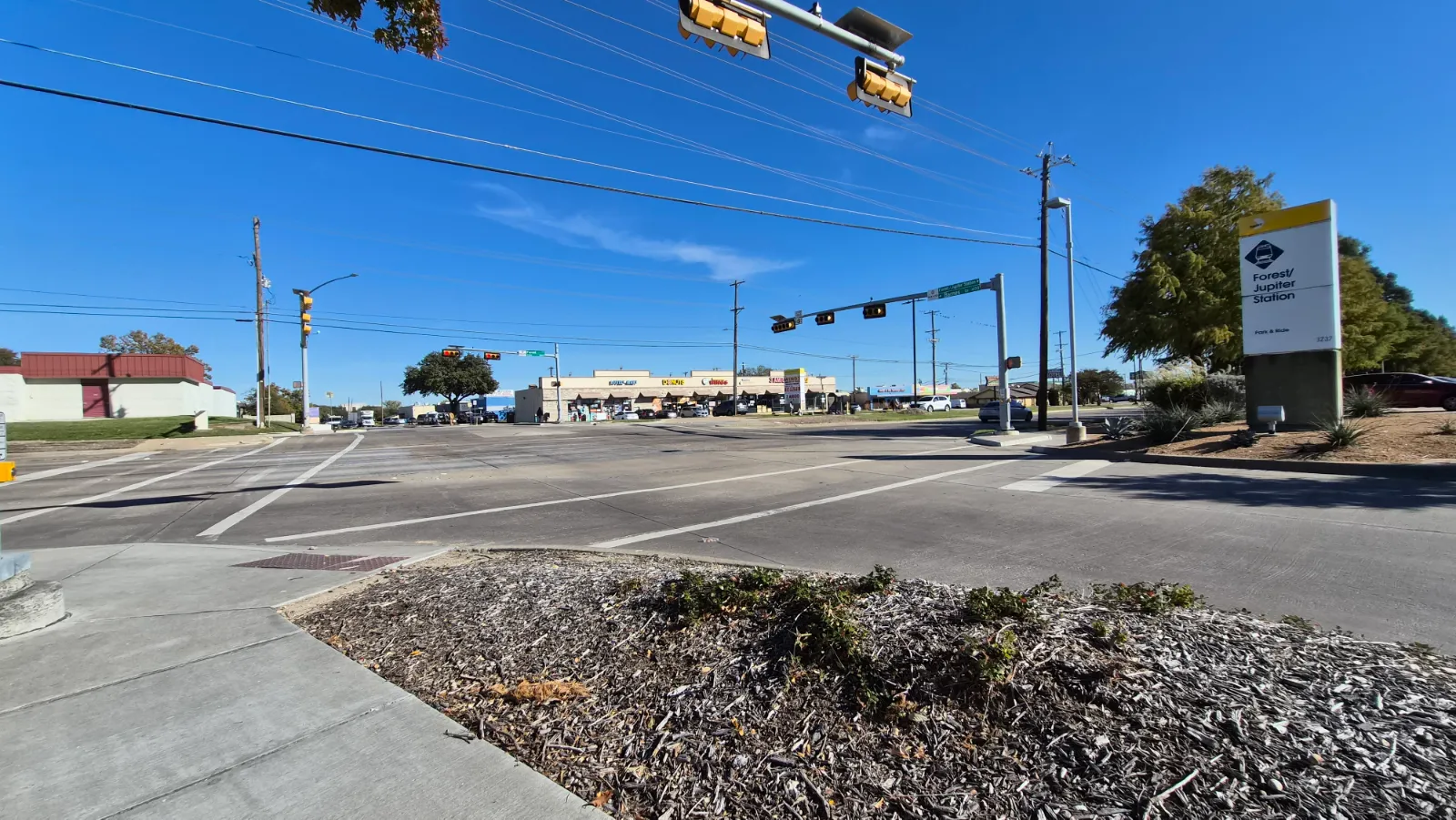
Getting from my office downtown to a restaurant in Deep Ellum used to be a bad walk. Going under the highway was miserable, and the sidewalk would just disappear in patches. Market Center Station to the Design District is the same kind of walk. You have to cross a highway. The sidewalks come and go. People drive way too fast past you, or you have to cross about seven lanes. Same pattern around LBJ/Skillman.
Speed is the part people forget
The “safe” part isn’t just a feeling. It’s physics.
The AAA Foundation for Traffic Safety looked at how impact speed affects pedestrians. The average risk of death for a person hit by a car is about 10% at 23 mph, 25% at 32 mph, 50% at 42 mph, and 75% at 50 mph. Older people fare much worse.
So when a neighborhood street is built like a highway and cars routinely go 40 or 45, walking there isn’t just unpleasant. It’s dangerous. When Dallas wrote its Vision Zero plan in 2022, the city found that from 2015 to 2019, only 2% of people walked to work, but pedestrians were 30% of traffic deaths. That gap tells you how our streets are designed.
Third places are what make a neighborhood
Walkability isn’t only about errands. It’s about having somewhere to be.
The sociologist Ray Oldenburg called them third places: the informal public gathering spots beyond home (the first place) and work (the second). Coffee shops, barbershops, parks, markets, the bar where people know your name. Places where status doesn’t matter much, regulars welcome newcomers, and it feels like a home away from home.
Suburban, car-first design thinned those places out. When every trip starts and ends in a garage, you don’t run into anyone.
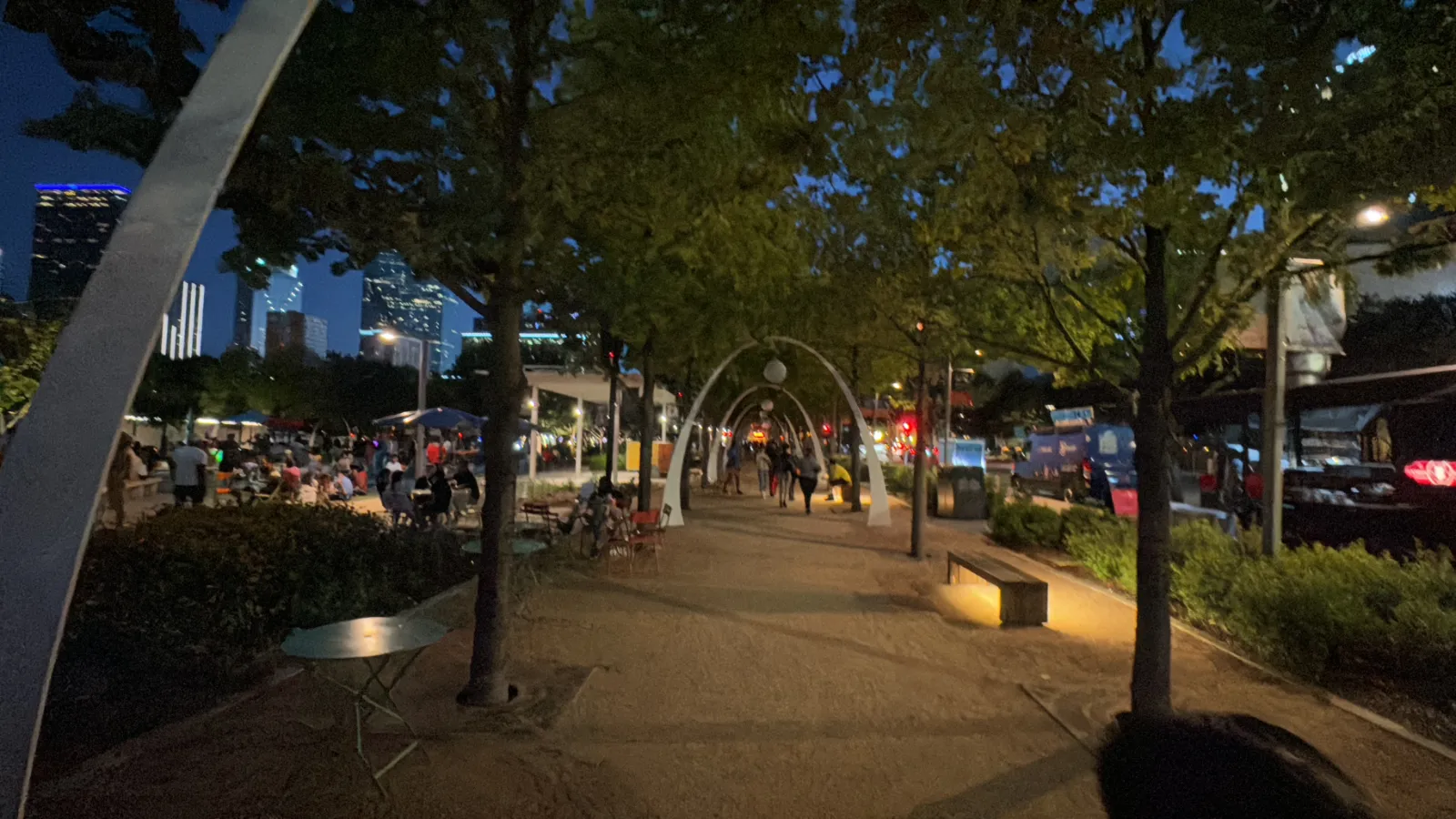
Around Dallas, the obvious third places are parks. Klyde Warren and Harwood Park. The Dallas Farmers Market downtown on a Saturday. Parts of Mockingbird Station can feel that way too. Notice what they have in common: you can walk around them, there’s something to do, and you see other people.
Texas heat isn’t the reason
The pushback I hear most is about the weather. “It’s Texas. It’s too hot to walk.”
It is hot. But it’s not the reason.
Not Just Bikes has a video on Singapore, which is hot and humid all year, often over 30°C and feeling closer to 40. People walk there all the time. They can because the city is designed for it: covered walkways even in the suburbs, shade from buildings and trees, and air-conditioned trains and buses, often connected straight into malls and offices. The host’s jab is that a lot of Americans who say it’s too hot where they live are going from an air-conditioned house to an air-conditioned SUV to an air-conditioned office.
Heat is a design problem. Shade, trees, awnings, covered stops, and short walks to a cool train are all things we can choose to build. A sunbaked parking lot between you and the door is also a choice.
Who walkability is really for
When people hear “walkable,” they picture young professionals with no kids. I think it matters most for everyone else.
I’ve raised four kids, in the suburbs and in the city. Most places, kids can’t walk to school, much less walk off and get a snack without a parent.
We lived in Forney for years while we were raising them. A grocery run meant packing the family in the car and making a longer trip. The schools were actually pretty close to our house, but their friends would walk miles to get to school, often with no sidewalks. Toward the end of our time there, they built a gas station on the corner of the neighborhood. People complained the whole time it was going up. Once it opened, people walked there constantly. I used to walk over with the kids. It was about a 20-minute walk, because the neighborhood was dead ends and cul-de-sacs. Part of it was through a ditch beside a road with no sidewalk.
Same goes for older people who shouldn’t be driving anymore, people with disabilities, and anyone who just can’t afford a car payment, insurance, and gas. In a place where you have to drive to do anything, all of those people are stuck at home or dependent on someone else.
A walkable neighborhood is one where daily life still works if you can’t drive today.
Walking and transit are a package
Every transit trip starts and ends with a walk. If the walk to the station is miserable, people won’t ride, no matter how good the train is.
That’s why I care so much about what’s around DART stations. On the Blue Line, the stops that work are the ones where you step off and you’re somewhere. Lake Highlands has a trail to the town center. White Rock puts you on the trail system without a car. The stops that don’t work are the ones where the train shows up and the city never did.
Trains get you across town. Walking is what makes the train useful when you get there.
What I want Dallas to do
- Fix the crossings first. Most of the danger is at the intersections. Shorter crossings, better lighting, slower turns.
- Slow the cars on neighborhood streets. Design for the speed you want, not just a lower number on a sign.
- Allow the corner store again. Let small shops, cafes, and daily needs exist inside neighborhoods, not only at the big intersection.
- Build shade. Trees, awnings, and covered stops, especially on the walk to transit.
- Connect the dead ends. A trail cut-through or a pedestrian path between two cul-de-sacs can turn a 20-minute walk into five.
None of that takes away anybody’s car. It just makes walking a real option instead of a dare.
The store is close. The park is close. The train is close. The city decides whether you can actually get there on foot.